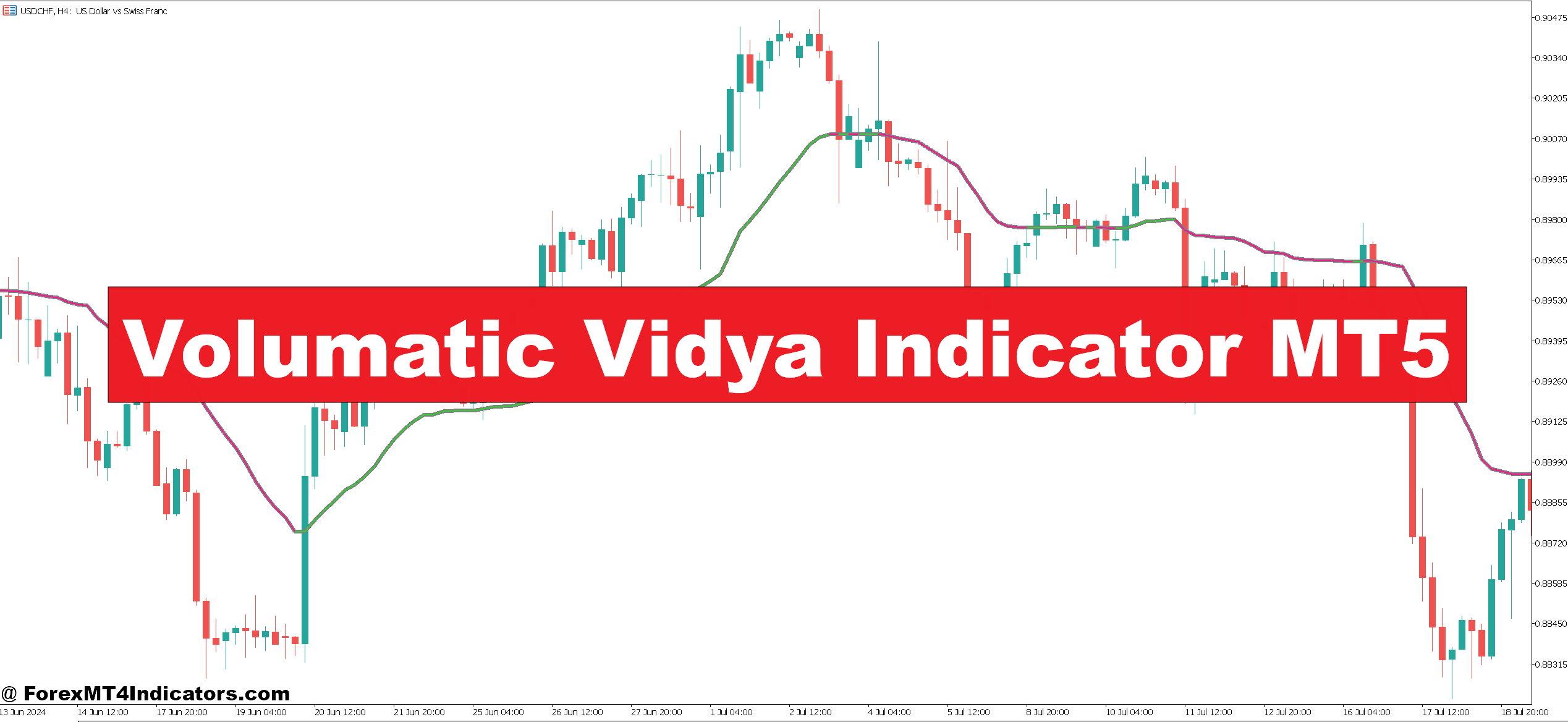
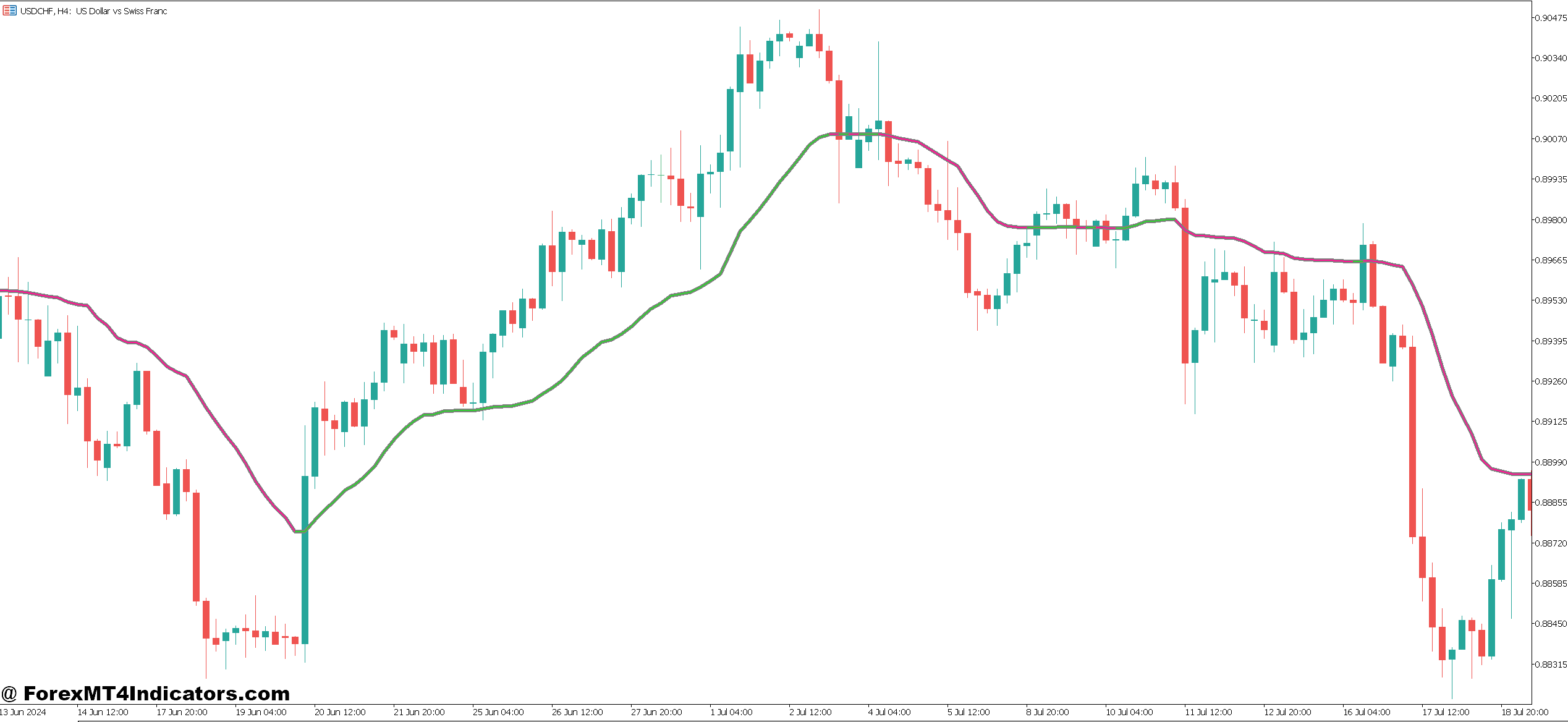
The Volumatic Vidya Indicator for MT5 tackles this head-on. Unlike standard moving averages that treat every price bar the same, this indicator adjusts its responsiveness based on what the market’s actually doing. When volatility picks up, it speeds up. When things go quiet, it slows down. The volume component adds another layer, helping filter out low-conviction moves that trap breakout traders.
What Makes the Volumatic Vidya Different
The Volumatic Vidya Indicator combines two adaptive concepts: the Variable Index Dynamic Average (VIDYA) calculation method and volume weighting. VIDYA itself was developed to solve the classic moving average dilemma—you either get quick response with lots of noise or smooth lines that lag behind real price action.
Here’s what sets it apart. Traditional moving averages apply the same weight to recent prices regardless of market conditions. A 50-period SMA calculates the same way whether the market just dropped 200 pips in an hour or drifted 10 pips all day. That’s inefficient. VIDYA uses Chande Momentum Oscillator (CMO) values to determine how much weight recent prices should get. When CMO shows strong directional movement, the indicator behaves more like a fast EMA. During low-momentum periods, it smooths out like a slower average.
The “Volumatic” element takes this further. It incorporates tick volume data (or real volume if available) to validate price moves. A breakout on heavy volume gets more weight than the same price move on thin volume. This matters more than most traders realize, especially on lower timeframes where fake-outs run rampant.
The Technical Breakdown
Without getting too deep into the math, the calculation works like this: The indicator starts with a base smoothing factor, typically between 0.2 and 0.4. Then it multiplies this by the absolute value of CMO divided by 100. When CMO reads high (say, 70 or above), you’re getting close to the full smoothing factor applied. When CMO drops to 20, that same factor gets scaled way down.
The volume component acts as a multiplier on top of this. If current bar volume exceeds the average volume (usually calculated over the same period as the base setting), the indicator gives that price point extra weight. Think of it as the market voting with conviction.
In practice, this means the line hugs price tighter during strong trending moves with high volume—exactly when you want to stay in a trade. During choppy, low-volume consolidation, it flattens out and becomes less reactive, reducing those frustrating whipsaw signals that plague standard MAs.
Real Trading Applications
I’ve found this indicator works best on the 1-hour and 4-hour charts for swing positions. Here’s a scenario: GBP/JPY enters a downtrend after breaking below 183.50. The Volumatic Vidya (set to a 21-period base) slopes down sharply and stays below price as it drops. Each pullback toward the indicator line gets rejected—these become high-probability short entries.
But here’s where it shines. When price consolidates between 181.00 and 182.00 for several sessions, the indicator flattens out significantly. It’s not whipping back and forth crossing price like a regular EMA would. This visual signal tells you to stand aside, let the range play out. Once price breaks 181.00 with a volume spike, the indicator angles down again sharply—confirmation to re-enter shorts.
For day traders, the 15-minute chart offers opportunities, though you’ll want to combine it with support and resistance levels. A typical setup: Price trades above the Volumatic Vidya during the London open on USD/CAD. The indicator angles upward. You wait for a pullback that touches or slightly penetrates the line, then enter long when price bounces with a strong volume bar. Your stop goes just below the recent swing low.
The indicator also works for exits. When you’re in a profitable trade and the Volumatic Vidya starts flattening despite price continuing in your direction, that’s often an early warning. Momentum is fading even if price hasn’t reversed yet. Tightening stops or taking partial profits makes sense.
Customization and Settings
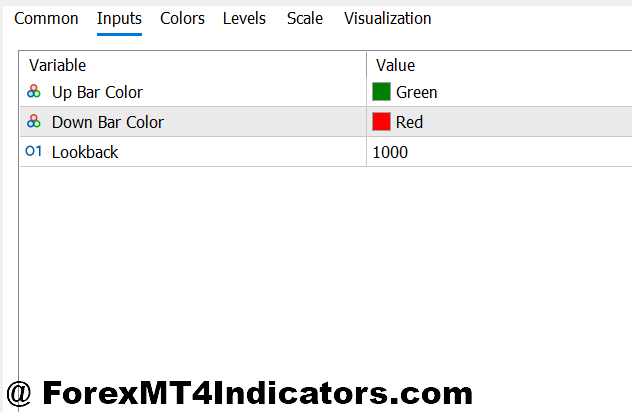
The default settings usually include a 14 or 21-period base calculation, but this needs adjustment based on your trading style. Shorter periods (9-12) work for scalpers but expect more sensitivity—you’ll get quicker signals but also more false ones. Swing traders often push this to 30 or even 50 periods for cleaner signals on daily charts.
The CMO period typically matches the base period, though some traders experiment with asymmetric settings. A 21-period base with a 14-period CMO creates a slightly more reactive indicator. Test this in your trading environment before committing real money.
Volume averaging period is another variable. Most default to matching the base period, but traders focused on volume analysis sometimes use a shorter lookback (like 10 periods) to catch recent volume shifts faster. On currency pairs where volume data is less reliable (spot forex shows tick volume, not true volume), this component becomes less critical.
Color settings matter more than you’d think. I prefer a single color that changes intensity or a simple two-color system (green for uptrend, red for downtrend based on slope). Some versions overlay volume as a histogram—useful if you want visual confirmation of volume spikes without cluttering your chart with extra windows.
Strengths and Honest Limitations
The main advantage is reduced lag during trending markets when you need it most. That’s valuable. Fewer whipsaws during consolidation saves you from overtrading—both your account and your mental capital benefit. The volume integration helps filter signals in a way pure price-based indicators can’t match.
But it’s not perfect. No indicator is. During very low volatility grind periods, even this adaptive approach can generate mediocre signals. The calculation complexity means it’s not as intuitive as a simple moving average—new traders might struggle understanding why the indicator behaves differently on different days.
It also requires volume data to work properly. On some MT5 brokers with limited historical tick volume, the indicator might not calculate correctly for backtest analysis beyond a few months. Real volume data from futures or centralized exchanges works better, but most retail forex traders don’t have access to that.
The indicator can lag at major turning points, though less than standard MAs. When a strong trend abruptly reverses, there’s still a period where the indicator catches up. Relying on it alone without price action context or support/resistance levels is asking for trouble.
Compared to something like the Hull Moving Average (which also aims to reduce lag), the Volumatic Vidya provides better volatility adaptation but requires more computational resources. Against standard VIDYA without volume, this version offers better signal filtering but adds complexity. Pick your poison based on your trading needs.
How to Trade with Volumatic Vidya Indicator MT5
Buy Entry
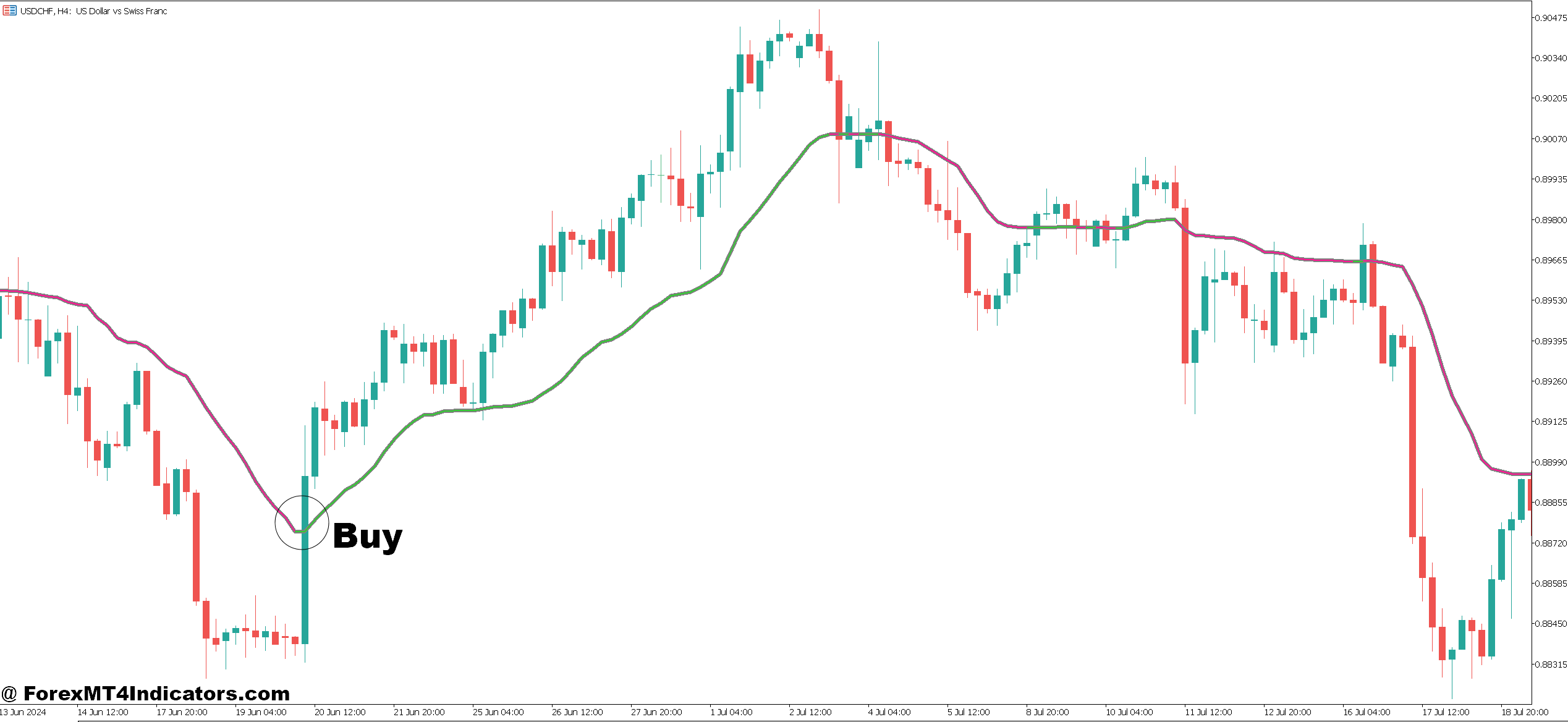
- Price bounce above indicator – Wait for price to pull back to the Volumatic Vidya line on EUR/USD 1-hour chart, then enter long when a bullish candle closes above it with volume 20% above the 14-period average.
- Indicator slope confirmation – Only take buy signals when the Volumatic Vidya has been angling upward for at least 3 consecutive bars on the 4-hour timeframe, confirming established momentum.
- Volume spike validation – Enter long when price breaks above the indicator with tick volume exceeding 1.5x the average, especially during London or New York session opens on GBP/USD.
- Stop placement below structure – Set your stop loss 5-10 pips below the recent swing low or the Volumatic Vidya line (whichever is lower), not just randomly below entry.
- Avoid flat indicator zones – Skip buy signals when the Volumatic Vidya has been moving sideways for 6+ bars, indicating choppy conditions where false breakouts are common.
- Multiple timeframe alignment – Confirm your 1-hour buy setup by checking that the 4-hour Volumatic Vidya is also sloping upward and price is trading above it.
- Failed breakdown entry – Take longs when price briefly dips below the indicator but quickly recovers above it within 1-2 bars with strong volume, showing sellers got trapped.
- Risk-reward minimum – Only enter if you can achieve at least 1:2 risk-reward ratio, measuring from your entry to the next resistance level while keeping stops tight below the indicator.
Sell Entry
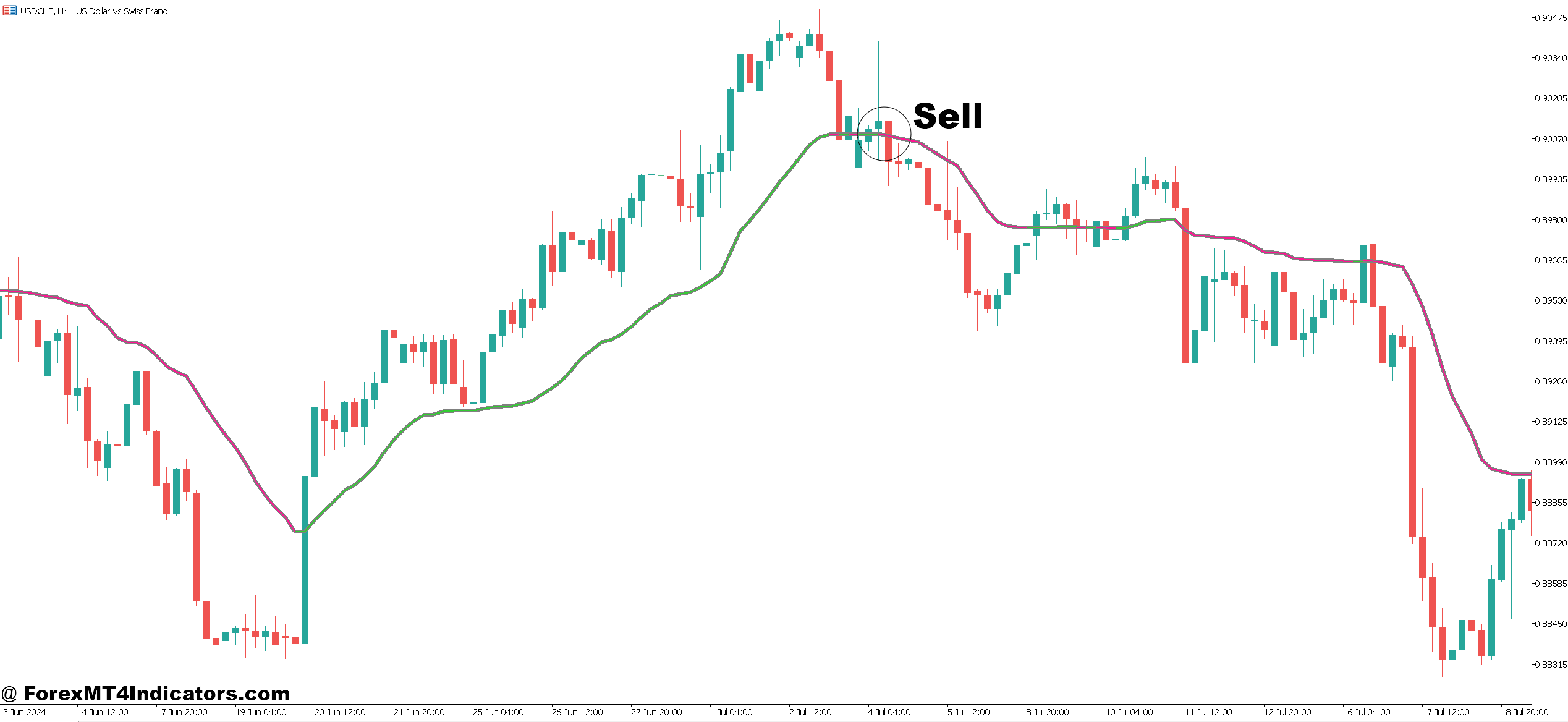
- Price rejection at indicator – Enter short on GBP/JPY 4-hour chart when price rallies to touch the Volumatic Vidya from below and forms a bearish rejection candle with upper wick.
- Downward slope requirement – Confirm the indicator has been declining for minimum 4 bars before taking sell signals, avoiding premature shorts during pullbacks in uptrends.
- Break and retest setup – Sell when price breaks below the Volumatic Vidya, pulls back to retest it from underneath, and gets rejected with increased volume on the 1-hour chart.
- Stop above swing high – Place stops 8-12 pips above the recent swing high or the indicator line (whichever is higher) to avoid getting stopped by normal volatility noise.
- Ignore during news events – Don’t take sell signals within 30 minutes before or after major news releases (NFP, interest rate decisions) when the indicator can give false signals due to volatility spikes.
- Daily trend alignment – Verify the daily chart Volumatic Vidya is also below price and declining before taking 1-hour or 4-hour sell entries on EUR/USD or USD/CAD.
- Failed breakout fade – Short when price pushes above the indicator but closes back below it within the same or next bar, trapping breakout buyers above.
- Consolidation zone warning – Avoid sell signals when the indicator has flattened and price is chopping within 30-40 pips range, wait for clear directional break with volume confirmation instead.
Final Thoughts
The Volumatic Vidya Indicator brings legitimate value to traders who understand its place in a complete strategy. It adapts to market conditions better than static moving averages, incorporates volume for additional confirmation, and reduces whipsaw trades during consolidation. Those are real benefits that can improve win rates and preserve capital.
That said, no indicator changes the fundamental reality of forex trading: substantial risk exists in every position. Markets move based on factors no technical tool can predict. Use this indicator as one piece of your analysis, not a standalone system. Combine it with proper risk management, sound money management rules, and an understanding of market structure.
The best next step? Load it on a demo account and watch how it behaves across different market conditions for at least two weeks. Note when it keeps you out of bad trades versus when it lags at turns. Every trading tool has a learning curve. Trading forex carries substantial risk. No indicator guarantees profits.
Level up your trading
Learn to read the chart — not just the indicator
eBook · Instant PDF
Video Course · 12 modules
Recommended MT4/MT5 Brokers
- ✓ *FREE *$50 to start (withdrawable)
- ✓ Deposit bonus up to $5,000
- ✓ Negative balance protection
Trading forex and CFDs carries a significant risk of loss and is not suitable for everyone. Broker links are affiliate links — we may earn a commission at no cost to you.
Free MT4 Indicator Download

Enter Your Email Address below, download link will be sent to you.