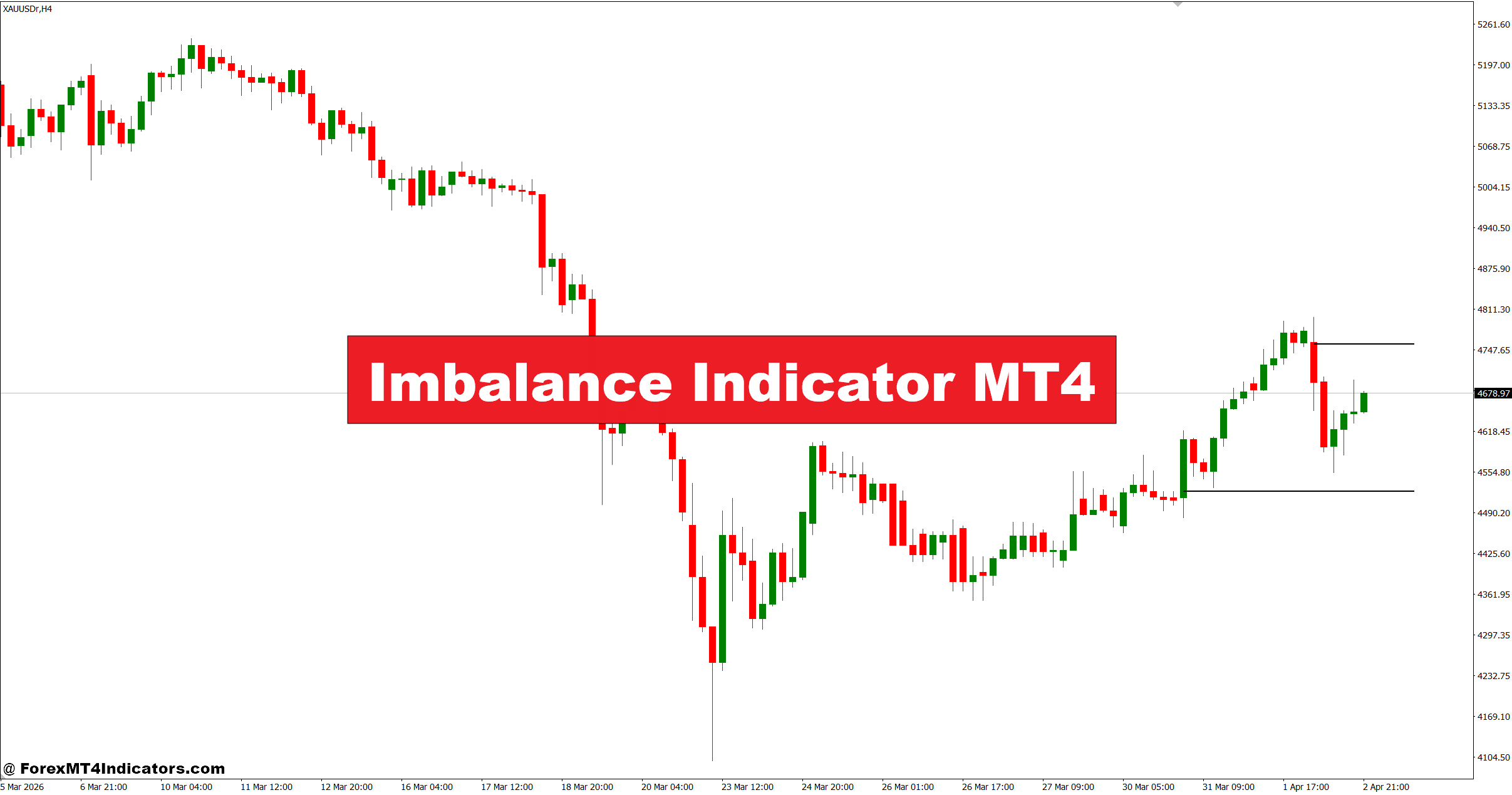
The Imbalance Indicator MT4 was designed to help traders spot these market inefficiencies directly on the chart. It highlights areas where price moved too aggressively in one direction, leaving behind an imbalance between buying and selling pressure. Traders then use those zones as possible entry, continuation, or reversal areas. Here’s how this indicator works in real market conditions and where it fits into a practical forex trading plan.
What Is the Imbalance Indicator MT4?
The Imbalance Indicator MT4 is a price action tool that identifies gaps or inefficient price movements created by strong institutional activity. In forex trading, an imbalance happens when price moves so quickly that little trading occurs within a certain range. These zones often attract future price revisits.
Most versions of the indicator draw colored boxes or highlighted zones between candles where liquidity was skipped. Traders usually refer to these areas as fair value gaps or liquidity imbalances. The concept comes from institutional order flow analysis rather than traditional lagging indicators.
For example, if EUR/USD jumps 45 pips within three candles during the New York session and leaves very little overlap between candle wicks, the indicator marks that area as an imbalance zone. Traders then watch whether price returns to fill part of that zone before continuing higher.
What makes this different from a standard support and resistance indicator? The focus stays on inefficient market movement rather than repeated historical reactions.
How the Imbalance Indicator Works on MT4
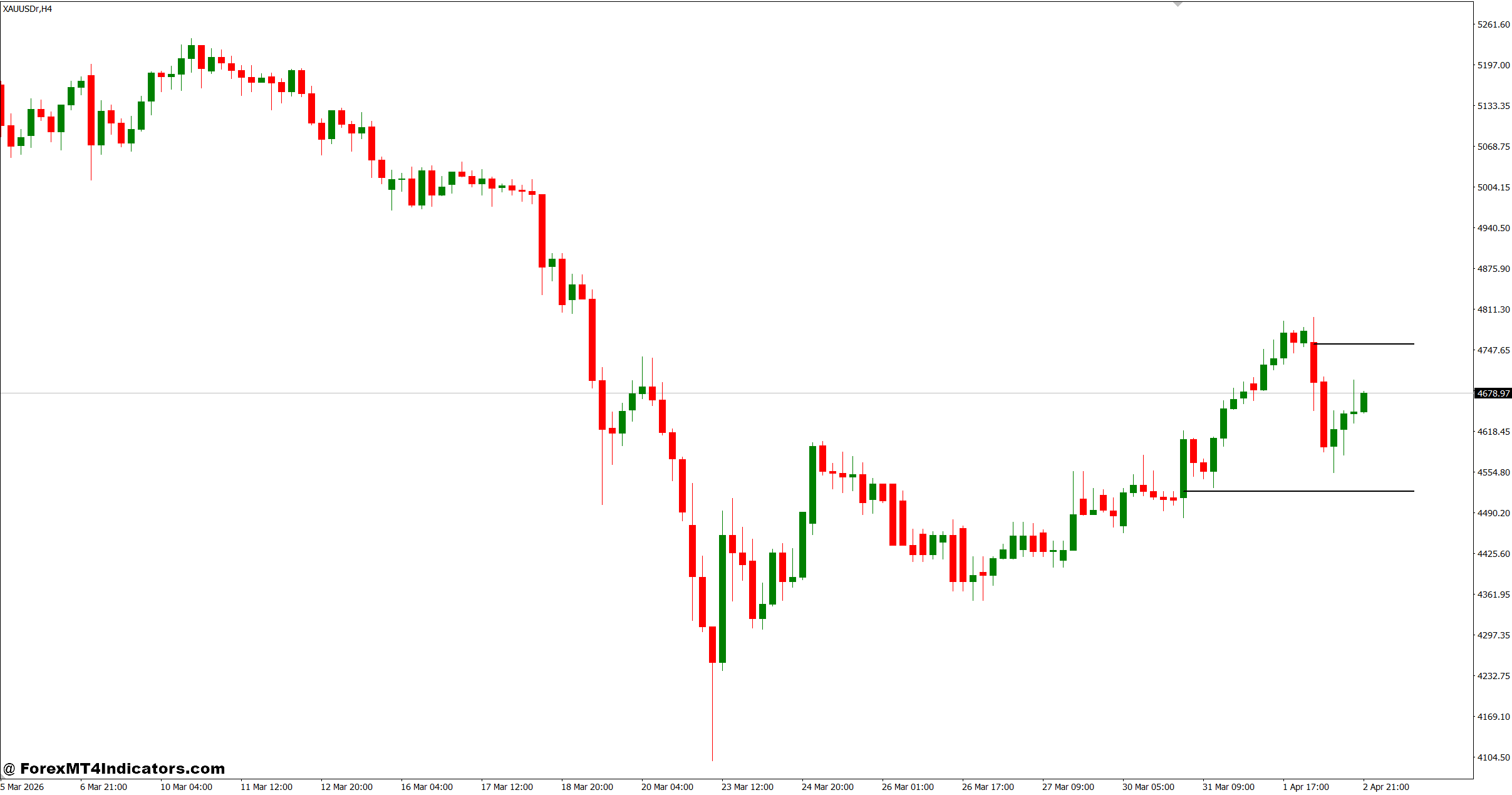
The indicator scans candle structures and compares price overlap between consecutive bars. When a strong bullish or bearish displacement appears, the algorithm checks whether enough price interaction occurred inside that range. If not, the area becomes marked as an imbalance.
In practice, many MT4 versions use a three-candle structure:
- Candle one establishes the previous price range
- Candle two creates strong momentum
- Candle three confirms the displacement
If the low of the third candle stays above the high of the first candle during a bullish move, the indicator may highlight the gap between them. The same logic applies in reverse for bearish setups.
A trader testing GBP/USD on the 15-minute chart during an NFP release might notice several imbalance zones forming within minutes. But experienced traders usually avoid entering immediately after the news spike. Instead, they wait for price to revisit the imbalance zone once volatility cools down.
That small detail matters. Fresh imbalance zones during high-impact news can produce sharp whipsaws before the market settles.
Most traders combine the Imbalance Indicator MT4 with:
- Market structure analysis
- Trend direction
- Session timing
- Supply and demand zones
- Moving averages for confirmation
The indicator works best when traders use it as a location tool rather than a standalone signal generator.
Using Imbalance Zones in Real Trading Scenarios
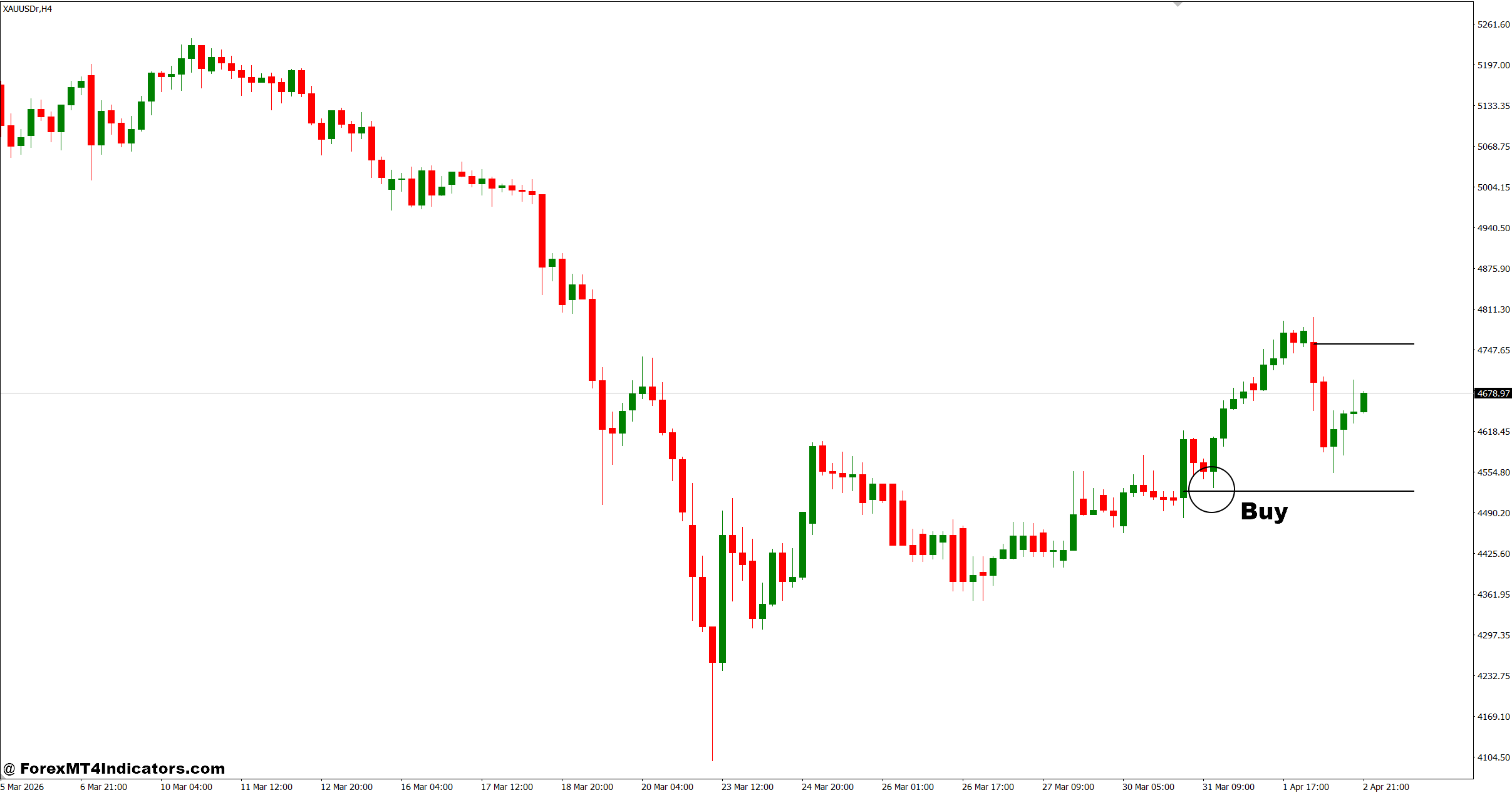
One common setup appears during trending markets. Suppose USD/JPY trends upward on the 1-hour chart and creates a bullish imbalance near 145.20 after the Tokyo session breakout. Instead of buying the breakout candle, traders may wait for price to retrace into the imbalance area.
If bullish rejection candles appear around the zone, that can provide a lower-risk entry. A stop loss often goes 15 to 25 pips below the imbalance depending on volatility. Traders then target the previous swing high or use a 1:2 risk-to-reward ratio.
Another practical use comes during trend reversals. Let’s say EUR/USD creates multiple bearish imbalance zones while breaking below a major daily support level. Traders may use those zones as resistance during pullbacks. If price revisits the area and stalls, short sellers often step back into the market.
During personal testing on AUD/USD, many traders notice imbalance zones perform better during active sessions than during late Asian market chop. Low-volume conditions can produce weak signals and fake-outs.
That said, not every imbalance gets filled. Some remain untouched for days or weeks while price continues trending. Traders who blindly expect every gap to close usually learn that lesson the hard way.
Trading forex carries substantial risk. No indicator guarantees profits.
Best Settings and Customization Tips
Most Imbalance Indicator MT4 versions allow traders to adjust sensitivity settings. Smaller sensitivity values detect more imbalance zones, while larger values filter weaker movements.
Here are common adjustments traders use:
Scalping Settings
- Timeframe: 5-minute or 15-minute
- Sensitivity: Medium to high
- Best pairs: EUR/USD, GBP/USD, XAU/USD
- Session focus: London and New York overlap
Scalpers often combine imbalance zones with a 20 EMA to follow short-term momentum.
Swing Trading Settings
- Timeframe: 1-hour to 4-hour
- Sensitivity: Lower filtering for cleaner zones
- Best pairs: USD/JPY, EUR/GBP, AUD/USD
Swing traders usually prefer higher timeframe imbalance zones because they carry more institutional weight.
Color and Alert Customization
Most MT4 versions allow separate bullish and bearish colors. Traders often use green for bullish imbalances and red for bearish ones. Popup alerts can help identify fresh setups without staring at charts all day.
But there’s a tradeoff. Very sensitive settings may flood charts with too many zones, especially during sideways conditions. New traders sometimes overcomplicate the chart until every candle looks like a signal.
Strengths and Weaknesses of the Imbalance Indicator MT4
The biggest advantage is clarity. The indicator visually shows where strong order flow entered the market. Traders no longer need to manually search for fair value gaps candle by candle.
Another benefit is timing. Many traders use imbalance zones to avoid chasing entries after explosive price moves. Waiting for a retracement into the zone often improves risk management.
The indicator also pairs well with smart money concepts, support and resistance analysis, and trend-following systems.
Still, there are limitations.
Imbalance zones can fail during ranging markets where price constantly moves back and forth. Some traders also treat every imbalance like guaranteed support or resistance, which creates unrealistic expectations.
Compared to classic indicators like the RSI or MACD, the Imbalance Indicator MT4 reacts directly to price delivery rather than momentum averages. RSI might show overbought conditions while imbalance zones still point toward strong institutional buying pressure.
That contrast explains why many price action traders prefer imbalance analysis for market structure work.
Another issue involves broker feed differences. Some MT4 brokers display slightly different candle data, which may alter how imbalance zones appear on the chart.
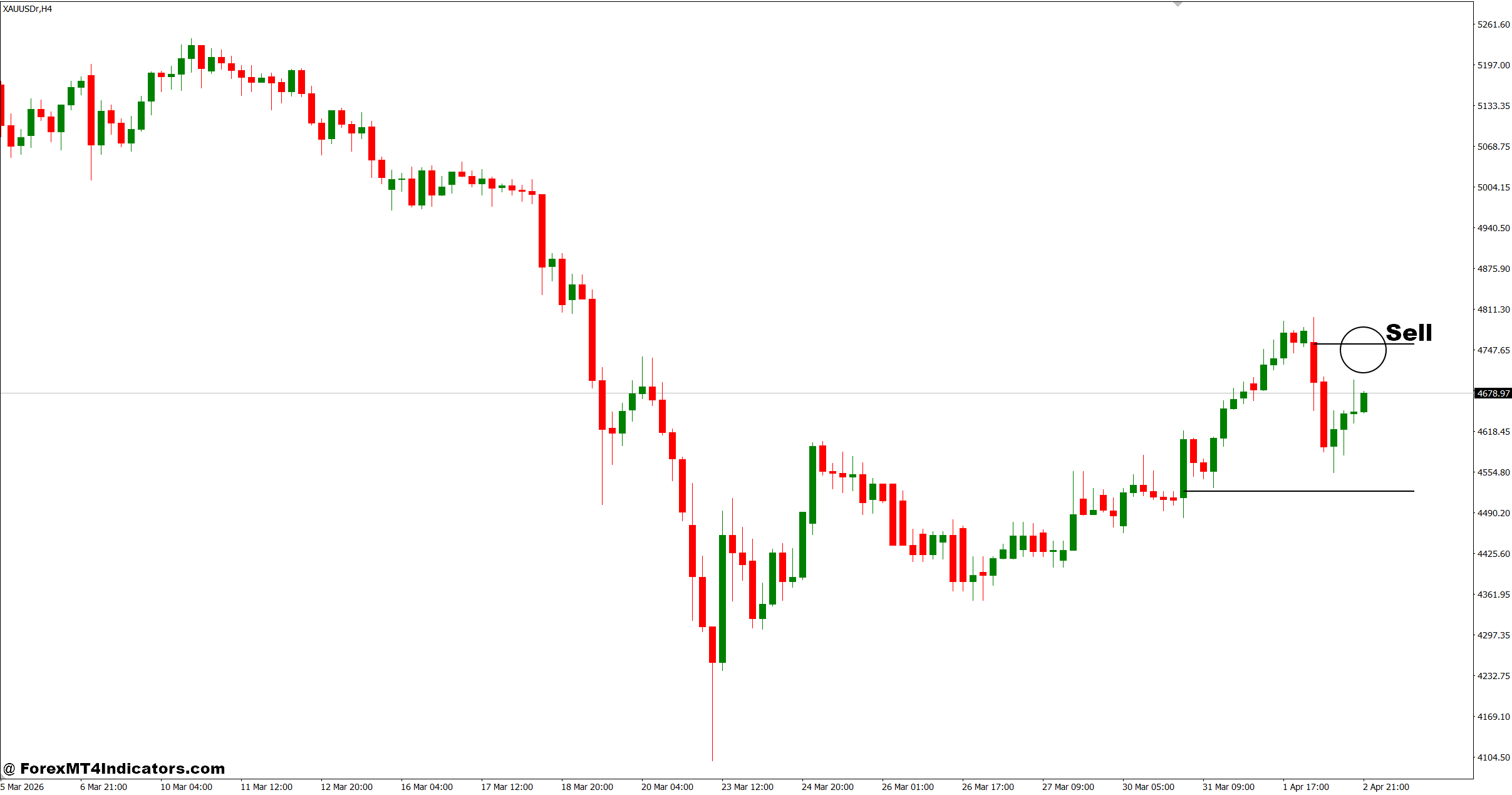
How to Trade with Imbalance Indicator MT4

Final Thoughts on the Imbalance Indicator MT4
The Imbalance Indicator MT4 gives traders a structured way to identify inefficient price movement and potential institutional trading zones. It works especially well during trending conditions, session breakouts, and momentum-driven markets. Many traders use it to improve entry timing instead of chasing aggressive moves.
The key takeaways are simple: imbalance zones help highlight liquidity gaps, higher timeframe setups usually carry more reliability, and confirmation from price action still matters. Traders who combine this tool with market structure and disciplined risk management often get more consistent trade locations.
At the same time, the indicator has limits during sideways markets and volatile news spikes. No technical analysis tool works perfectly in every condition. Traders should test the Imbalance Indicator MT4 carefully on demo accounts, study how different currency pairs react, and build a strategy around probability rather than prediction.
Level up your trading Learn to read the chart — not just the indicator eBook · Instant PDF Video Course · 12 modules Trading forex and CFDs carries a significant risk of loss and is not suitable for everyone. Broker links are affiliate links — we may earn a commission at no cost to you.Recommended MT4/MT5 Brokers
Free MT4 Indicator Download
Enter Your Email Address below, download link will be sent to you.