

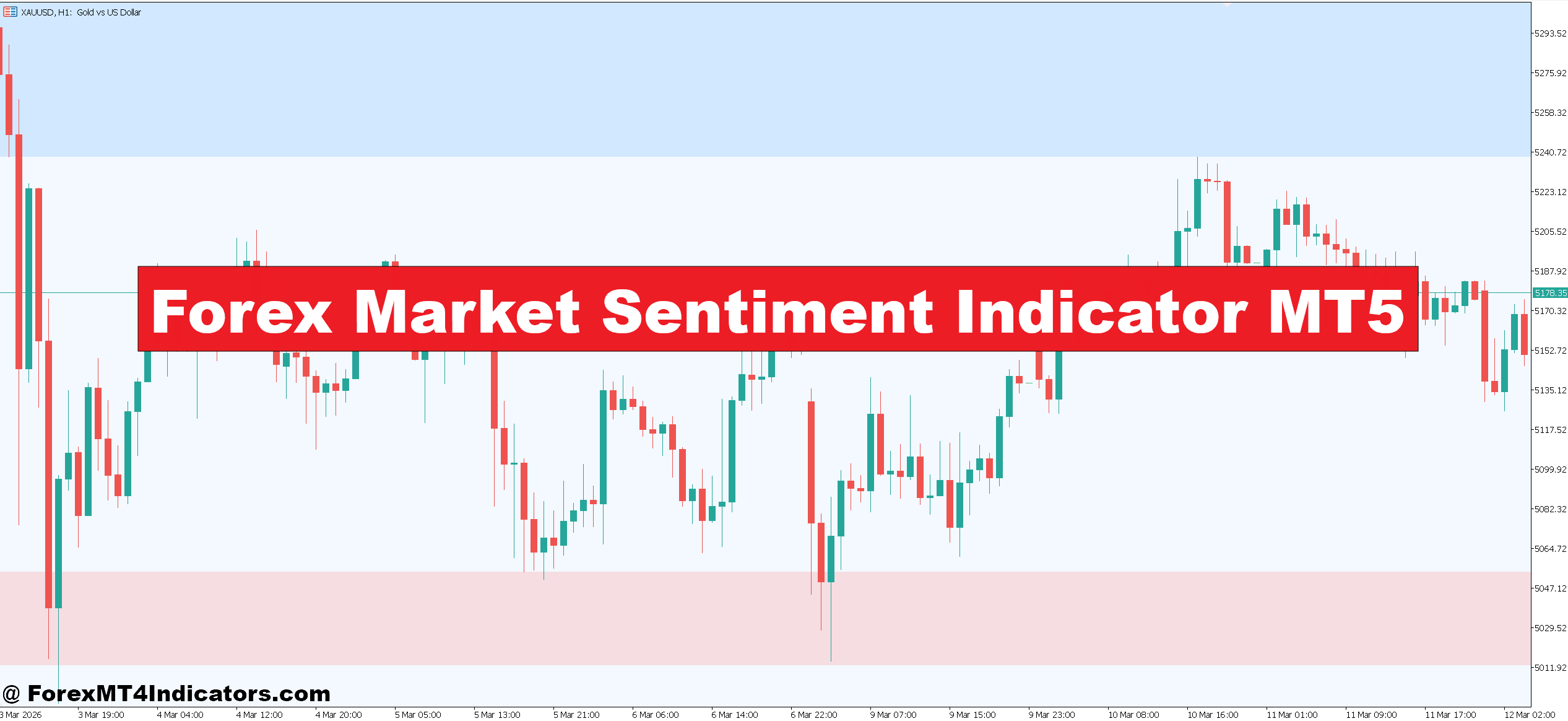
The Forex Market Sentiment Indicator MT5 tackles this head-on. By translating market sentiment into visual signals, it helps traders understand when buyers or sellers dominate. That clarity allows for more precise entries and exits, reducing costly mistakes. While no tool guarantees success, this indicator can give traders a structured view of market pressure. Next, we’ll explore exactly how it works, how to use it in practice, and what settings can optimize its performance across currency pairs.
What the Forex Market Sentiment Indicator Is
At its core, the Forex Market Sentiment Indicator MT5 measures the balance of bullish versus bearish activity. Instead of relying solely on price patterns or oscillators, it evaluates the proportion of traders leaning long or short and reflects it as a visual gauge. On the MT5 platform, this often appears as a histogram or colored line, signaling which side currently holds momentum. Unlike typical trend-following tools, sentiment indicators focus on market psychology, helping traders anticipate potential reversals or continuation moves. For instance, during a EUR/USD surge, if the indicator shows extreme bullish sentiment, it can hint at exhaustion and a possible retracement. By integrating this with price action and support/resistance levels, traders gain a clearer perspective on market strength and potential turning points.
How It Works
The indicator operates by analyzing live trading data, aggregating long and short positions, and converting them into a numerical value or visual signal. Many versions use a ratio of net positions or calculate the percentage of traders holding certain positions across major brokers. For example, if 75% of traders are long EUR/USD, the sentiment line rises toward an overbought level. Conversely, heavy shorting pushes the indicator toward oversold readings. Some MT5 implementations smooth the data using moving averages to avoid whipsaw signals during choppy markets. When testing this on volatile NFP days, the indicator often spikes quickly, giving early warning of potential reversals. Traders watch for divergences too—if price makes a new high but sentiment does not, that discrepancy can signal weakening momentum and a possible correction.
Practical Application in Trading
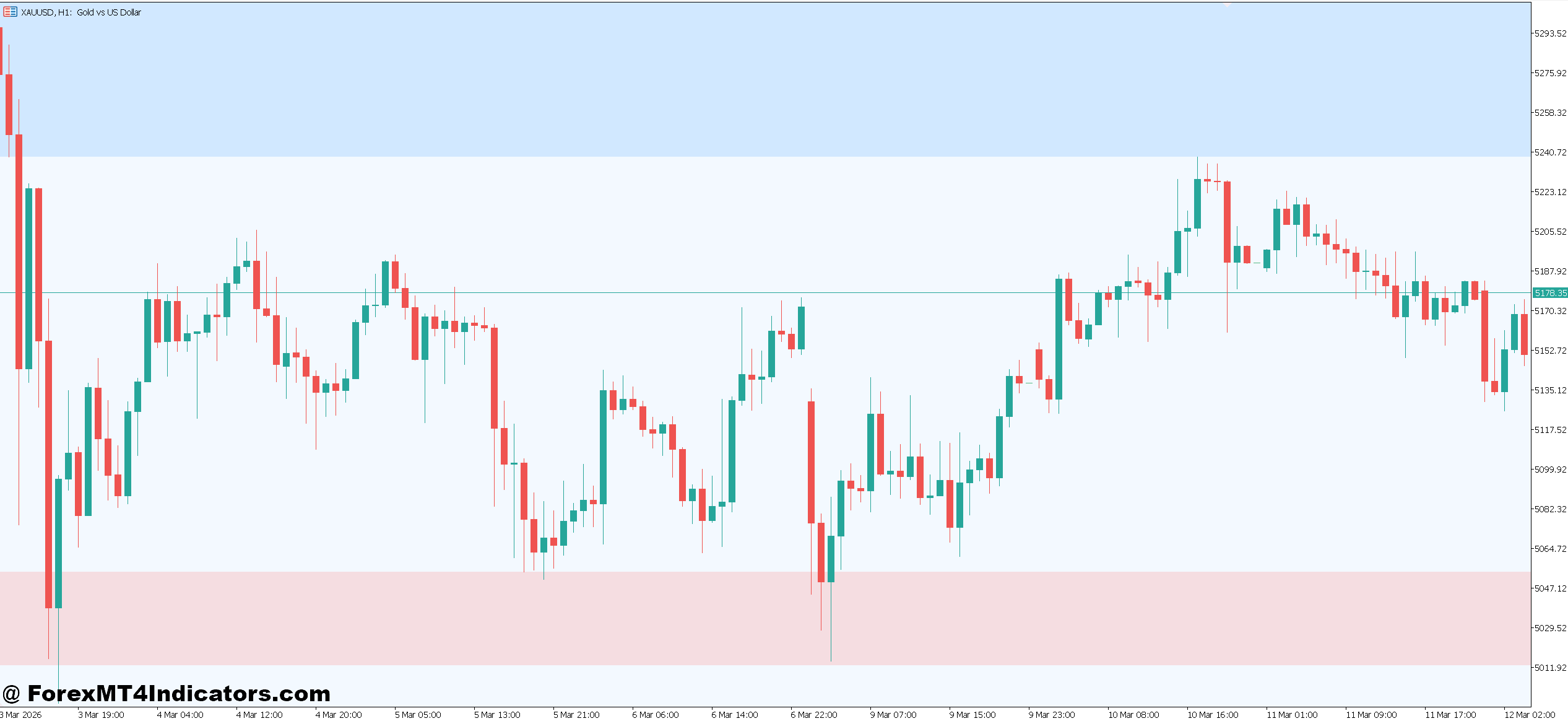
Traders typically combine the Forex Market Sentiment Indicator MT5 with traditional chart analysis. For example, on GBP/USD 4-hour charts, a trader might notice price approaching a strong resistance level. If sentiment is overwhelmingly bullish, it could warn of a potential pullback. Conversely, if sentiment aligns with a breakout above resistance, it confirms continuation and provides confidence to enter. On USD/JPY 15-minute charts during news spikes, sentiment can indicate whether retail traders are overreacting, allowing experienced traders to anticipate snapbacks. Risk management remains crucial—entering purely on sentiment without stop-losses can backfire, especially during whipsaw periods. That said, sentiment readings are particularly useful for spotting crowded trades or confirming trends.
Forex Market Sentiment Indicator MT5 Settings and Customization
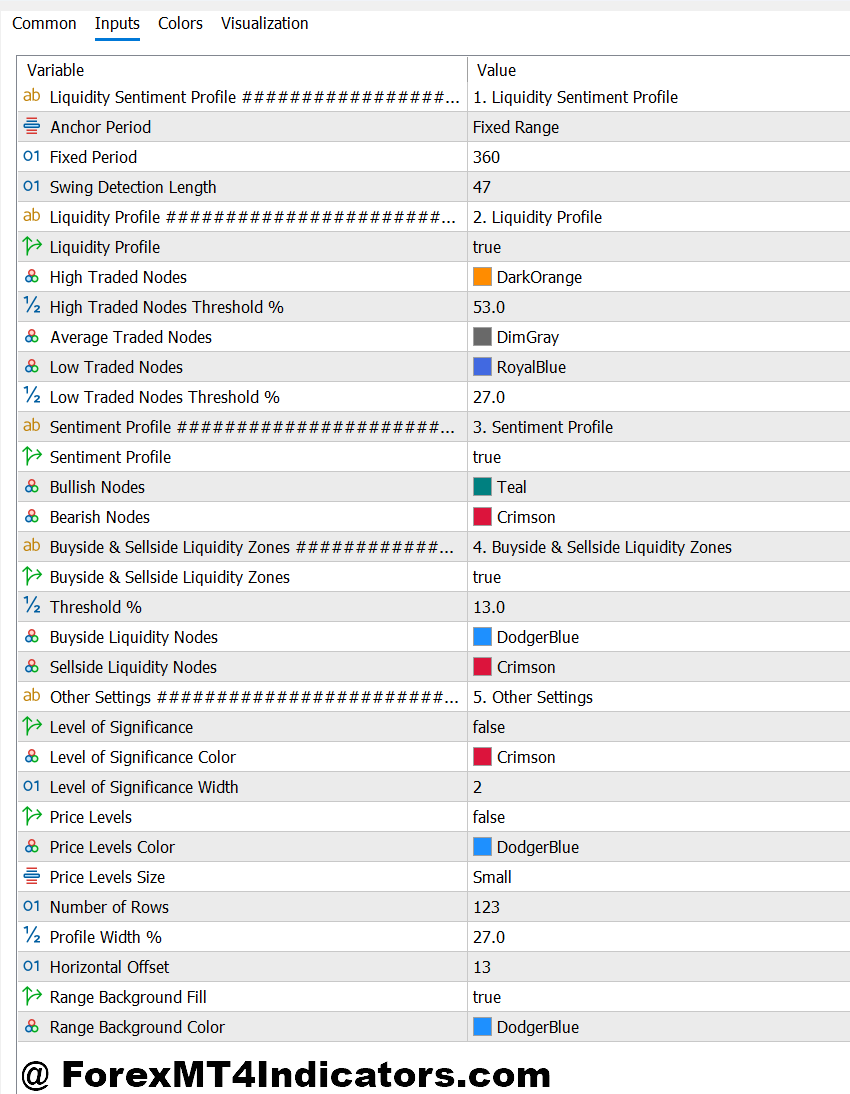
MT5 allows customization of key parameters. Traders can adjust the look-back period for averaging positions, modify smoothing to reduce noise, and set alert thresholds for extreme sentiment. For short-term scalping on EUR/GBP 5-minute charts, a 20-period smoothing may help filter false signals. Longer-term swing trades on USD/CAD daily charts benefit from 50- or 100-period smoothing to focus on broader market bias. Users can also color-code bullish and bearish readings for clarity. Experimenting with these settings on demo accounts is critical—different currency pairs exhibit unique sentiment behaviors, and the optimal configuration for one pair may generate false alerts on another.
Advantages vs Limitations
The Forex Market Sentiment Indicator MT5 provides clear advantages. It highlights trader bias, helps detect crowded trades, and often anticipates reversals before they are visible on standard indicators. It’s especially useful during trending markets or high-impact news events. That said, it has limitations. Sentiment can lag in fast-moving markets, and extreme readings don’t always result in immediate reversals. Retail positioning data may not reflect institutional activity, meaning the signal is not a guarantee. Risk management and complementary tools remain essential. Experienced traders treat sentiment as one lens among many, rather than a standalone decision-maker.
How to Trade with Forex Market Sentiment Indicator MT5
Buy Entry
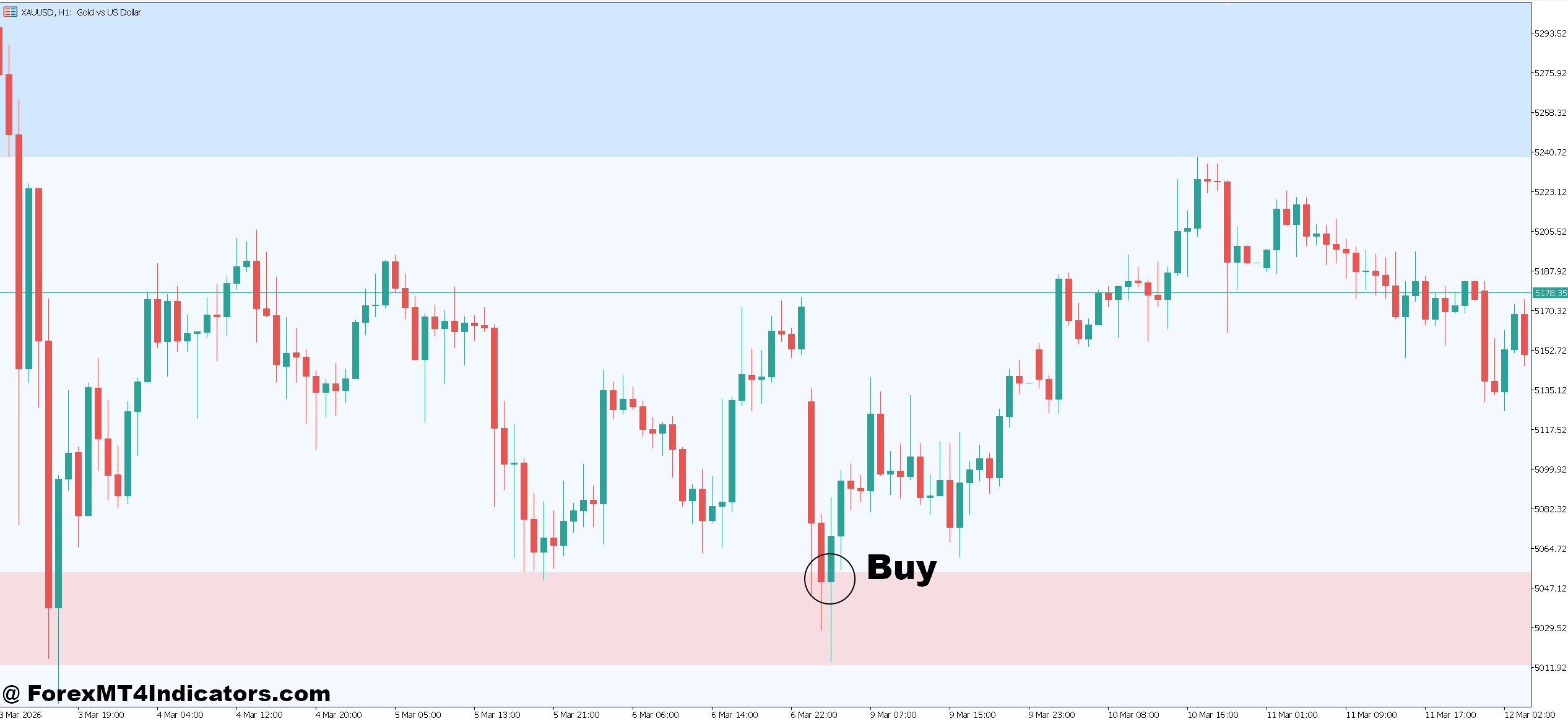
- Sentiment turns bullish above 70% – Enter when EUR/USD 1-hour shows sentiment rising above 70%, confirming buyers dominate. Set stop-loss 20–25 pips below recent swing low.
- Divergence with price lows – If GBP/USD 4-hour makes a lower low but sentiment forms a higher low, consider a buy; risk only 1–2% of account per trade.
- Break of short-term resistance – Enter when USD/JPY 1-hour closes above a minor resistance and sentiment aligns above 60%; target 30–50 pips.
- Support retest with bullish sentiment – When EUR/GBP 4-hour retests support and sentiment is above 65%, enter long with tight stop-loss at support level.
- Trend confirmation on daily chart – If AUD/USD daily shows higher highs and sentiment is above 60%, consider swing entry; place stop 50 pips below previous low.
- Reversal signal after oversold sentiment – On NZD/USD 1-hour, if sentiment drops below 30% and price forms bullish candle, enter cautiously; avoid during high news volatility.
- Momentum alignment with moving average – Buy when EUR/USD 1-hour price crosses above 50 SMA and sentiment rises above 60%; target next minor resistance.
- Avoid during whipsaw conditions – Don’t take buys if sentiment fluctuates rapidly (e.g., 40–70%) without clear trend; wait for stabilization.
Sell Entry
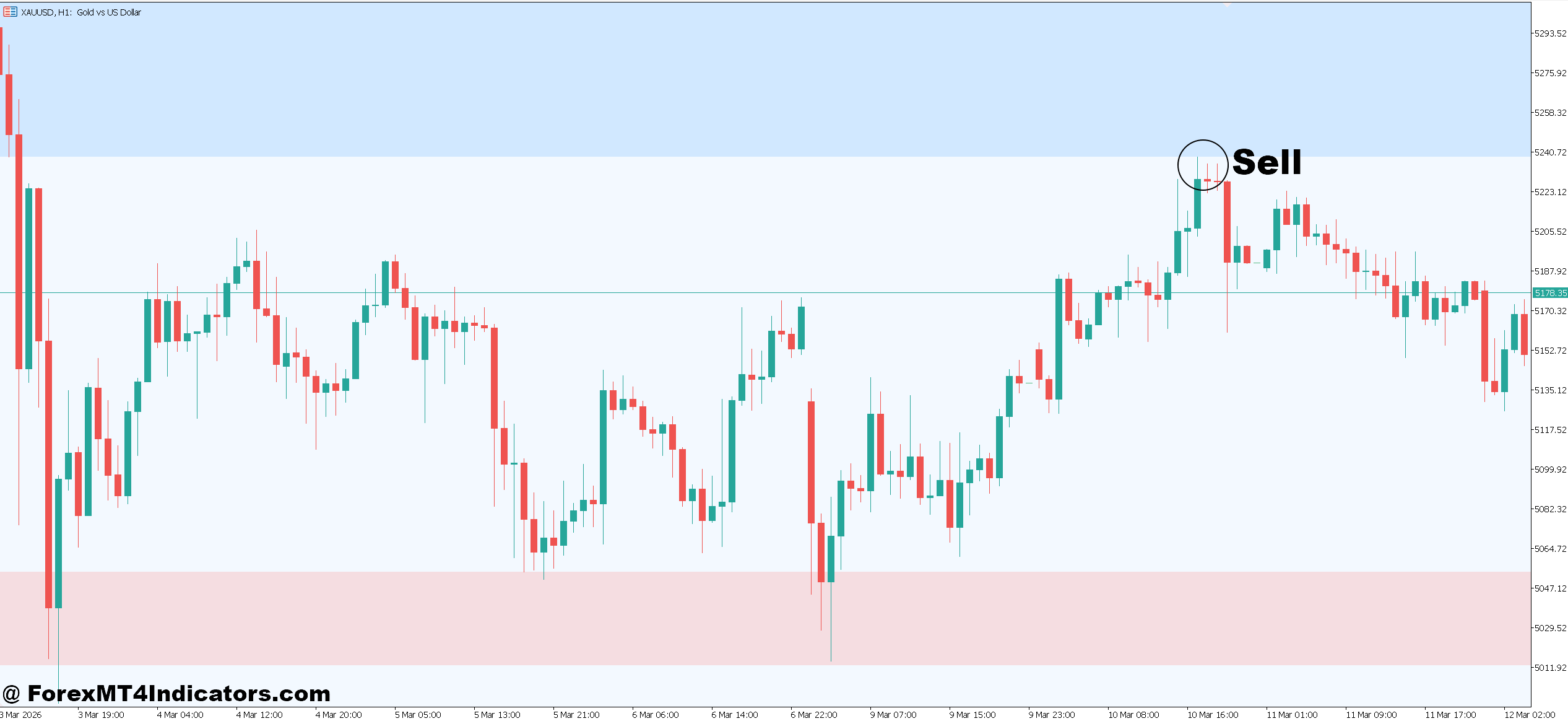
- Sentiment turns bearish below 30% – Short GBP/USD 1-hour when sentiment drops below 30%, showing seller dominance. Place stop-loss 20–25 pips above recent swing high.
- Divergence with price highs – If EUR/USD 4-hour makes a higher high but sentiment forms a lower high, consider sell; risk small portion of account.
- Break of support – Enter sell on USD/JPY 1-hour when price breaks support and sentiment is below 40%; target 30–50 pips.
- Resistance retest with bearish sentiment – When AUD/USD 4-hour tests resistance and sentiment remains below 35%, enter short; stop-loss just above resistance.
- Trend confirmation on daily chart – If GBP/JPY daily shows lower lows and sentiment below 40%, enter swing trade; place stop 50 pips above previous high.
- Reversal signal after overbought sentiment – On EUR/GBP 1-hour, if sentiment exceeds 70% and price forms bearish candle, enter cautiously; avoid high-impact news.
- Momentum alignment with moving average – Sell when NZD/USD 1-hour crosses below 50 SMA and sentiment falls under 40%; aim for next support level.
- Avoid during ranging market – Don’t take shorts if price is chopping sideways and sentiment stays between 45–55%; wait for clear trend.
Comparison With Similar Indicators
Compared to traditional oscillators like RSI or Stochastic, the sentiment indicator measures trader behavior rather than price extremes. While RSI signals overbought conditions, sentiment shows whether the market is crowded on one side. This subtle difference can prevent false entries during sharp corrections. Volume-based indicators offer another layer but may not reveal bias direction. Traders often combine sentiment with trend-following tools or support/resistance analysis to confirm signals. For instance, a breakout with rising sentiment confirms participation, while divergence warns of weakening momentum.
Traders who understand market psychology gain an edge. By integrating the Forex Market Sentiment Indicator MT5 into their workflow, they can make informed decisions, reduce emotional trading, and spot crowded trades early. Key takeaways include:
- Using sentiment alongside price action enhances entry timing and trade confidence.
- Adjusting settings for different timeframes optimizes performance across currency pairs.
- Extreme sentiment readings can warn of potential reversals but are not guarantees.
- Always combine with risk management and complementary indicators for balanced trading.
Trading forex carries substantial risk. No indicator guarantees profits. Still, by observing trader bias, testing different configurations, and respecting market structure, the Forex Market Sentiment Indicator MT5 provides a practical tool for navigating complex price movements and improving decision-making in both intraday and swing trading strategies.
Level up your trading Learn to read the chart — not just the indicator eBook · Instant PDF Video Course · 12 modules Trading forex and CFDs carries a significant risk of loss and is not suitable for everyone. Broker links are affiliate links — we may earn a commission at no cost to you.Recommended MT4/MT5 Brokers
Free MT4 Indicator Download

Enter Your Email Address below, download link will be sent to you.