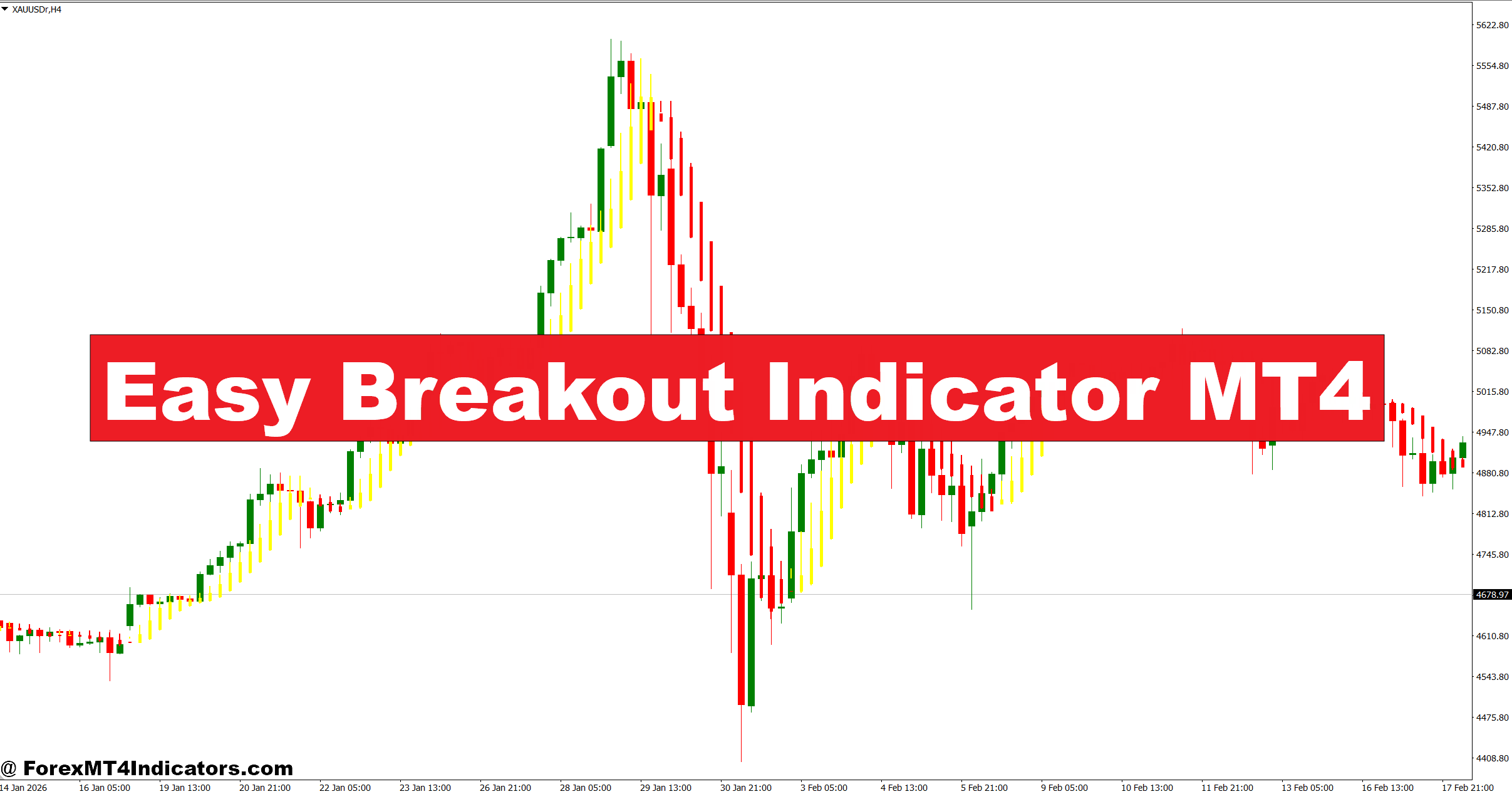
The Easy Breakout Indicator MT4 aims to reduce this uncertainty. It highlights key breakout zones and provides visual signals when price is likely to break strong support or resistance levels. Instead of guessing, traders get a structured way to approach breakout setups.
So how does this indicator actually work, and can it improve real trading results? Let’s break it down.
What Is the Easy Breakout Indicator MT4?
The Easy Breakout Indicator MT4 is a technical tool designed to identify consolidation zones and signal potential breakout points. It works by marking price ranges where the market has been moving sideways and then alerts traders when price attempts to break out of that range.
Most versions of this indicator draw boxes or horizontal levels around recent highs and lows. When price breaks above or below these levels, it generates buy or sell signals.
This type of tool fits into the broader category of breakout indicators, similar to support/resistance tools and volatility-based systems like Bollinger Bands. However, the key difference is its focus on clean visual zones rather than complex calculations.
In simple terms, it helps traders answer one question: Is this a real breakout or just noise?
How the Indicator Works in Real Market Conditions
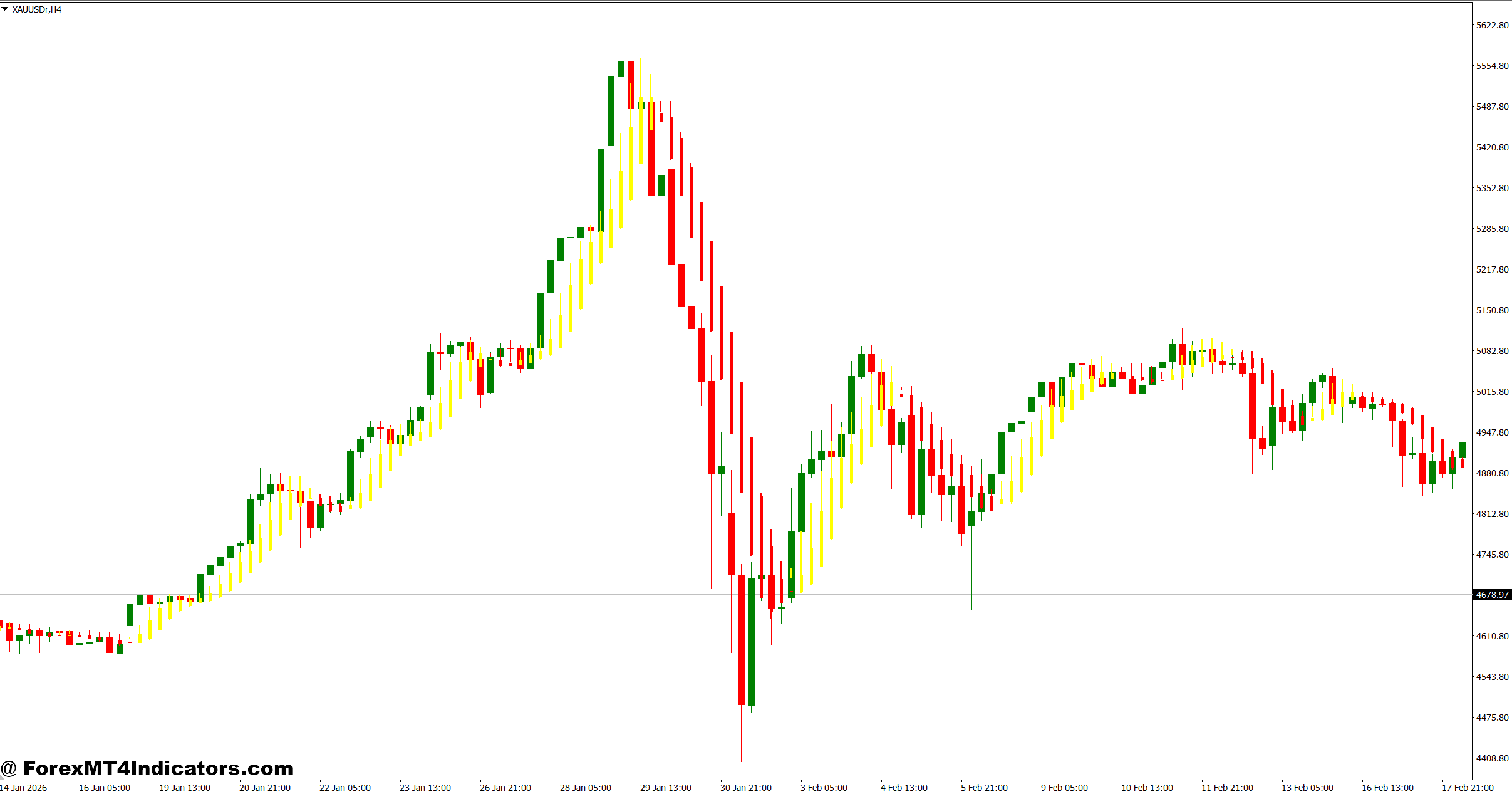
At its core, the Easy Breakout Indicator MT4 uses recent price action to define a range. This range is often based on a set number of candles—commonly 20 to 50 bars depending on settings.
When price stays within this range, the market is considered to be in consolidation. Once price closes outside the boundary, the indicator marks it as a breakout.
Here’s a practical example:
On the EUR/USD 1-hour chart, price moves between 1.0850 and 1.0880 for several hours. The indicator draws a box around this 30-pip range. When a bullish candle closes at 1.0890 with strong momentum, the indicator signals a breakout.
But here’s where experience matters. Not every breakout is worth trading.
When testing this on volatile news events like NFP (Non-Farm Payroll), breakouts often show strong initial moves but quickly reverse. In such cases, traders who wait for a retest of the breakout level tend to get better entries.
The logic behind the indicator is simple, but its effectiveness depends on how traders interpret price behavior around those levels.
Practical Trading Application
Using the Easy Breakout Indicator MT4 becomes more effective when combined with context.
A common approach is the breakout-and-retest strategy:
- On GBP/USD 15-minute chart, price consolidates in a 25-pip range.
- A breakout occurs with a strong bullish candle.
- Instead of entering immediately, the trader waits for price to pull back to the breakout level.
- If a bullish rejection candle forms, it confirms the breakout.
This approach often reduces false entries.
Another scenario involves trend continuation. On USD/JPY 4-hour chart, during an uptrend, the indicator highlights small consolidation zones. Breakouts in the direction of the trend tend to perform better than counter-trend signals.
Traders also use volume or momentum indicators like RSI (14-period) to confirm strength. For example, if RSI is above 60 during a breakout, it adds confidence to the trade.
Still, no setup is perfect. In ranging markets, multiple false breakouts can occur. That’s where risk management becomes critical.
Easy Breakout Indicator MT4 Settings and Customization
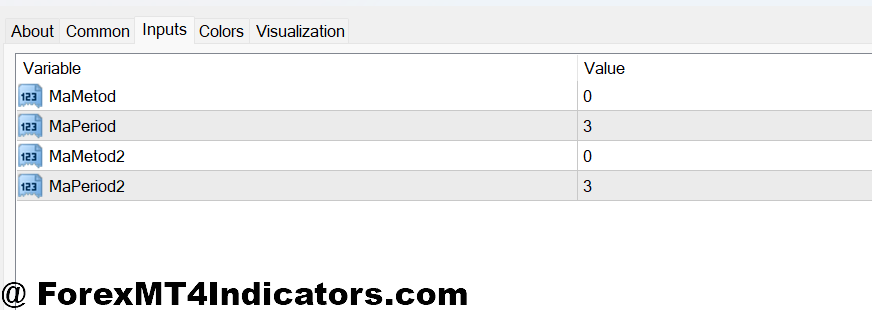
The Easy Breakout Indicator MT4 usually comes with adjustable parameters. These settings can significantly change how signals appear.
Key settings include:
- Range period – Defines how many candles are used to calculate the consolidation zone. A 20-period setting works well for intraday trading, while 50+ is better for swing trading.
- Breakout sensitivity – Controls how far price must move beyond the range before signaling. Lower sensitivity gives early signals but more noise.
- Alert options – Some versions include pop-up or sound alerts when a breakout occurs.
For scalping on M5 charts, traders often use tighter ranges (10–15 candles) and smaller breakout thresholds (5–10 pips). On higher timeframes like H1 or H4, wider ranges (30–50 pips) provide more reliable signals.
One practical tip: avoid using the same settings across all pairs. EUR/USD behaves differently from XAUUSD (gold), where volatility is much higher.
Advantages and Limitations
Like any tool, the Easy Breakout Indicator MT4 has strengths and weaknesses.
Advantages:
It simplifies breakout identification. Instead of manually drawing levels, traders get clear visual zones. This saves time and reduces subjectivity.
It works well in trending markets. Breakouts aligned with the trend often lead to strong moves, especially during London and New York sessions.
It’s beginner-friendly. Even traders with limited experience can understand how to use it.
Limitations:
False breakouts are common. In low-volume or choppy markets, price may break a level briefly and then reverse.
It doesn’t account for fundamentals. News events can invalidate technical setups instantly.
Late signals can occur. Some versions wait for candle close, which means missing the first part of the move.
Because of these limitations, experienced traders rarely rely on this indicator alone.
Comparison With Similar Indicators
Compared to Bollinger Bands, the Easy Breakout Indicator MT4 is more focused on structure rather than volatility. Bollinger Bands expand and contract, while breakout indicators define fixed zones.
Against Donchian Channels, which also identify highs and lows, the Easy Breakout Indicator is often simpler visually. Donchian Channels continuously update, while breakout zones remain static until broken.
Support and resistance indicators provide similar levels, but they often lack automated breakout signals. That’s where this indicator stands out—it combines structure with alerts.
That said, combining it with other tools often produces better results. For example, pairing it with a moving average (like the 50 EMA) helps filter trades in the direction of the trend.
How to Trade with Easy Breakout Indicator MT4
Buy Entry
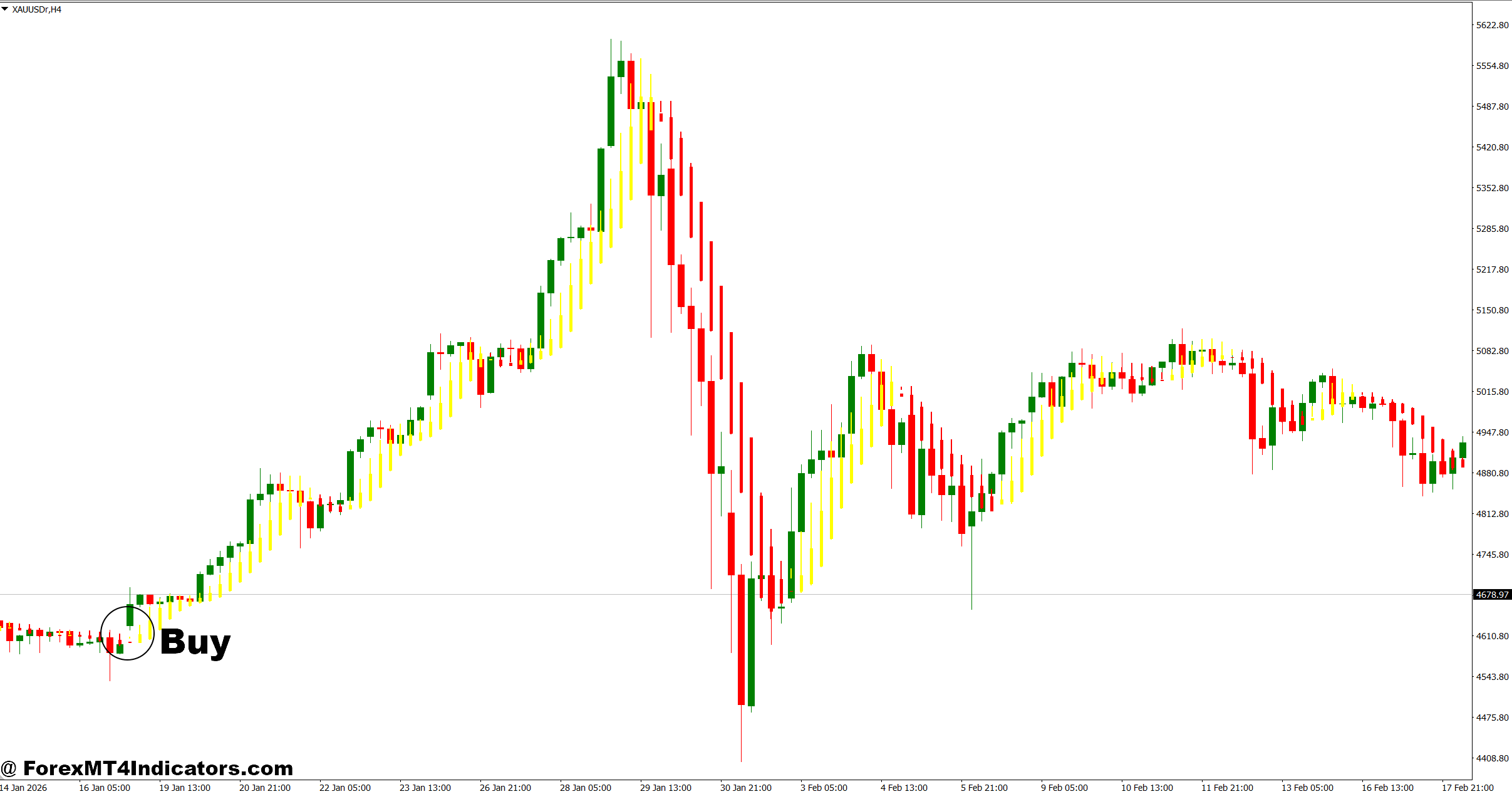
- Wait for strong breakout candle close – Enter buy only when a full candle closes 10–15 pips above resistance on EUR/USD (1-hour) to avoid fake-outs.
- Trade breakout with trend direction – Take buy trades when price is above 50 EMA on GBP/USD (4-hour), increasing probability of continuation.
- Use breakout + retest entry – After breakout, wait for price to retest the zone within 5–10 pips and form a bullish rejection candle before entering.
- Confirm with momentum indicator – Enter buy if RSI (14) is above 60, showing strong bullish momentum behind the breakout.
- Check session timing – Focus on London or New York sessions where breakouts often move 30–50 pips instead of slow Asian session moves.
- Set tight stop-loss below range – Place SL 15–25 pips below breakout zone to control risk if price returns inside the range.
- Target realistic take-profit levels – Aim for 1:2 risk-reward, such as 20 pip SL and 40 pip TP on EUR/USD intraday trades.
- Avoid low volatility conditions – Skip buy signals when range is under 15 pips on 1-hour charts, as breakouts often fail in tight markets.
Sell Entry
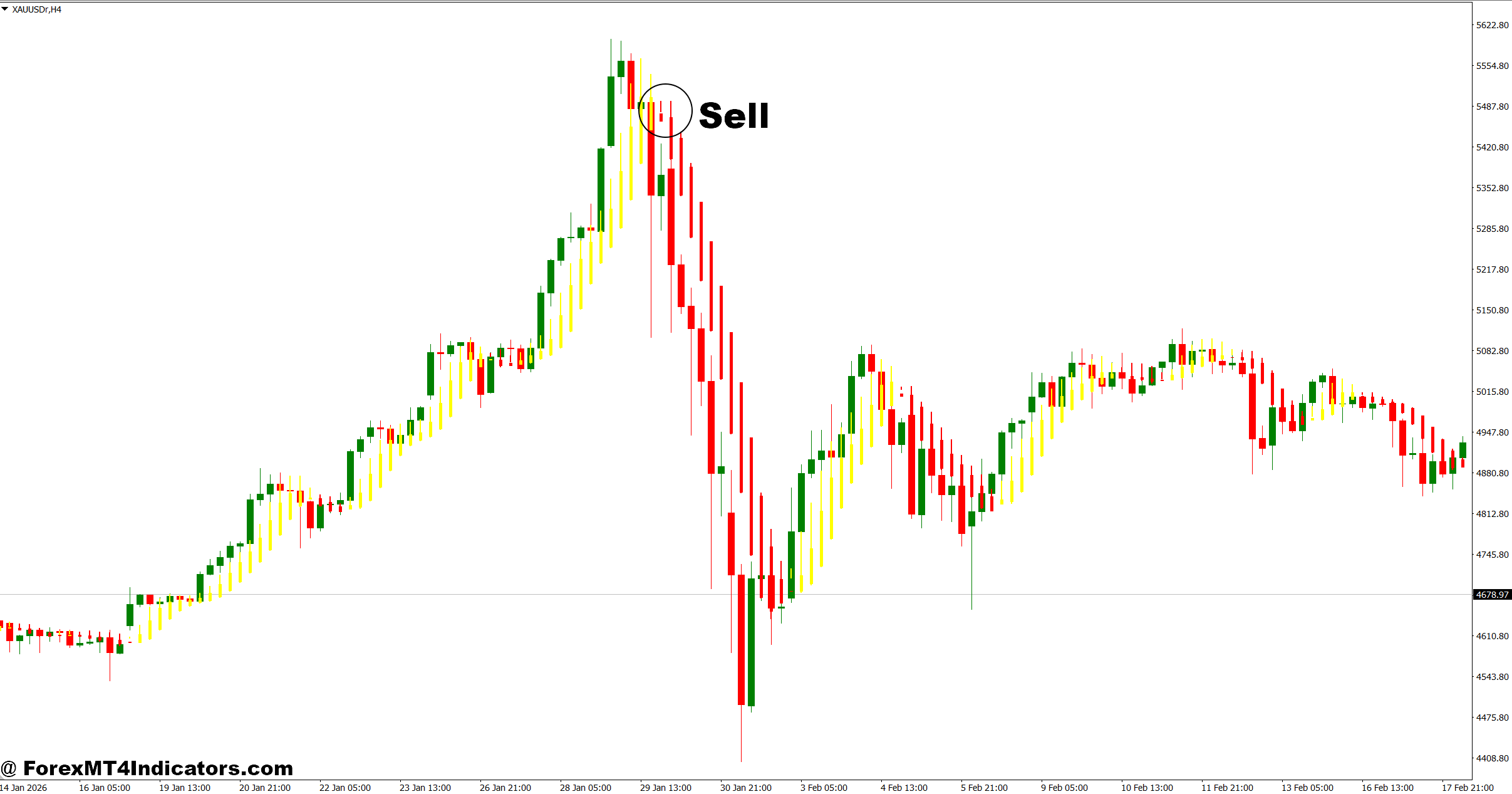
- Wait for bearish breakout confirmation – Enter sell only when a candle closes 10–15 pips below support on GBP/USD (1-hour) to confirm real breakout.
- Align with higher timeframe trend – Sell when price is below 50 EMA on 4-hour chart, avoiding counter-trend trades.
- Use breakout and pullback strategy – After breakout, wait for price to retest the broken support within 5–10 pips and reject downward.
- Confirm with RSI weakness – Enter sell when RSI (14) is below 40, showing bearish pressure in the market.
- Trade during high volatility sessions – Focus on London open where GBP/USD can drop 40–60 pips after clean breakouts.
- Place stop-loss above range – Keep SL 15–25 pips above breakout zone to protect against sudden reversals.
- Set profit targets based on structure – Aim for next support level or fixed 30–50 pips on 1-hour timeframe trades.
- Avoid trading during major news spikes – Don’t enter sell trades during events like NFP, as price may spike 20–30 pips and reverse quickly.
Conclusion
The Easy Breakout Indicator MT4 offers a straightforward way to spot breakout opportunities, but its real value depends on how it’s used. Traders who combine it with market context and patience tend to see better results.
It helps identify consolidation zones clearly, making breakout setups easier to spot. It performs best in trending conditions, especially when aligned with higher timeframe direction. Waiting for confirmation, such as a retest or momentum signal, can improve accuracy. At the same time, traders should stay cautious during choppy markets where false breakouts are common.
Trading forex carries substantial risk. No indicator guarantees profits. The Easy Breakout Indicator MT4 works best as part of a broader strategy, not as a standalone solution. A smart next step is to test it on a demo account across different pairs and sessions to understand how it behaves in real conditions.
Level up your trading Learn to read the chart — not just the indicator eBook · Instant PDF Video Course · 12 modules Trading forex and CFDs carries a significant risk of loss and is not suitable for everyone. Broker links are affiliate links — we may earn a commission at no cost to you.Recommended MT4/MT5 Brokers
Free MT4 Indicator Download

Enter Your Email Address below, download link will be sent to you.