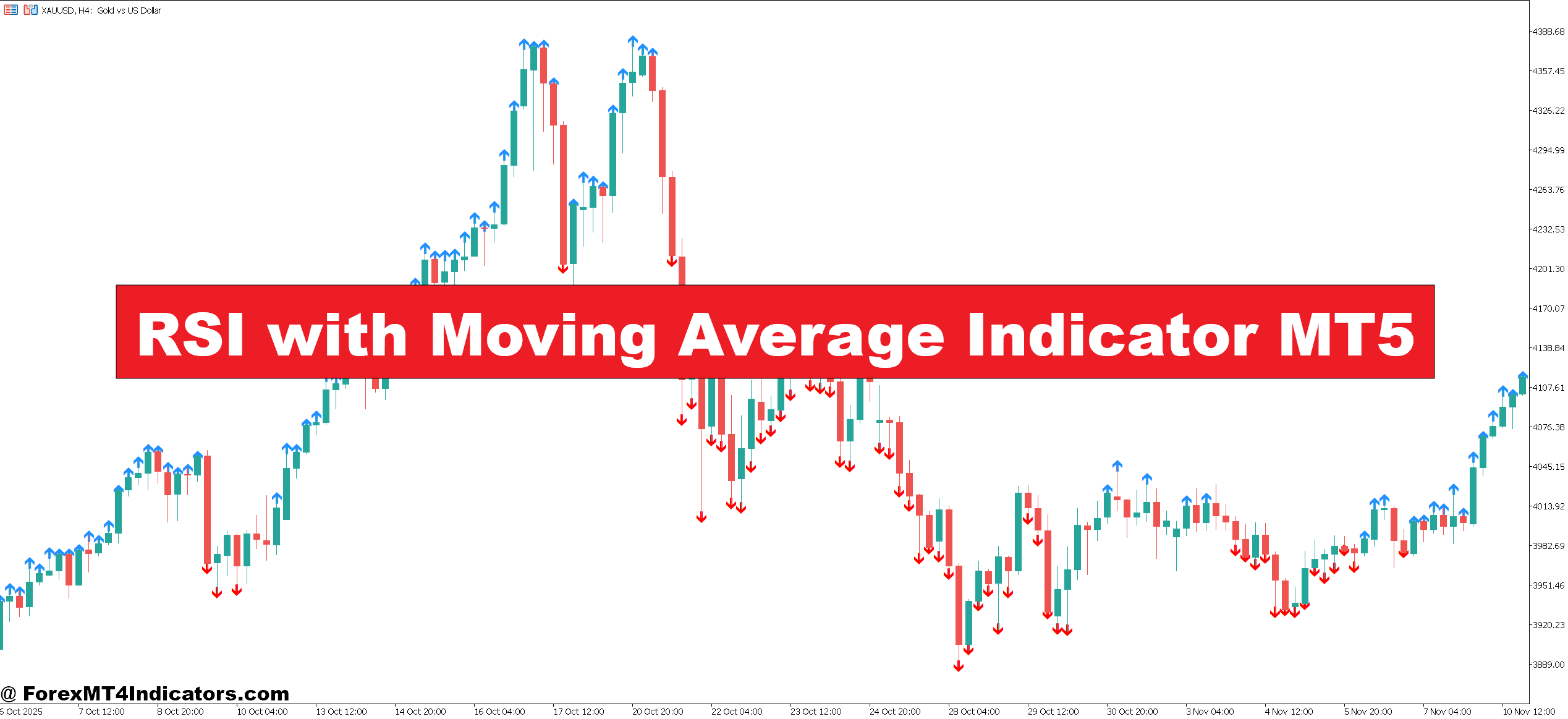
The RSI with Moving Average indicator for MT5 addresses this directly. By layering a moving average directly onto the RSI line, the tool filters out the noise and provides clearer momentum signals that align with the prevailing trend. This guide breaks down how it works, how to configure it, and where it fits best in a real trading workflow.
What Is the RSI with Moving Average Indicator?
At its core, the RSI with Moving Average indicator is a hybrid technical analysis tool that combines two well-established components: the Relative Strength Index (RSI) and a customizable moving average applied to that RSI line. Both are displayed together in a separate indicator panel below the main price chart.
The RSI itself measures the speed and magnitude of recent price changes, typically on a 14-period default setting, producing values between 0 and 100. Readings above 70 signal overbought conditions; readings below 30 suggest oversold territory. That’s the standard setup most traders already know.
What makes this MT5 version different is the moving average plotted directly on the RSI — not on price. Traders can choose between an SMA, EMA, or other MA types and apply it to the RSI values themselves. The result is a smoothed signal line that cuts through RSI choppiness and gives crossover signals with better context than the RSI alone.
How the Indicator Calculates Its Signals
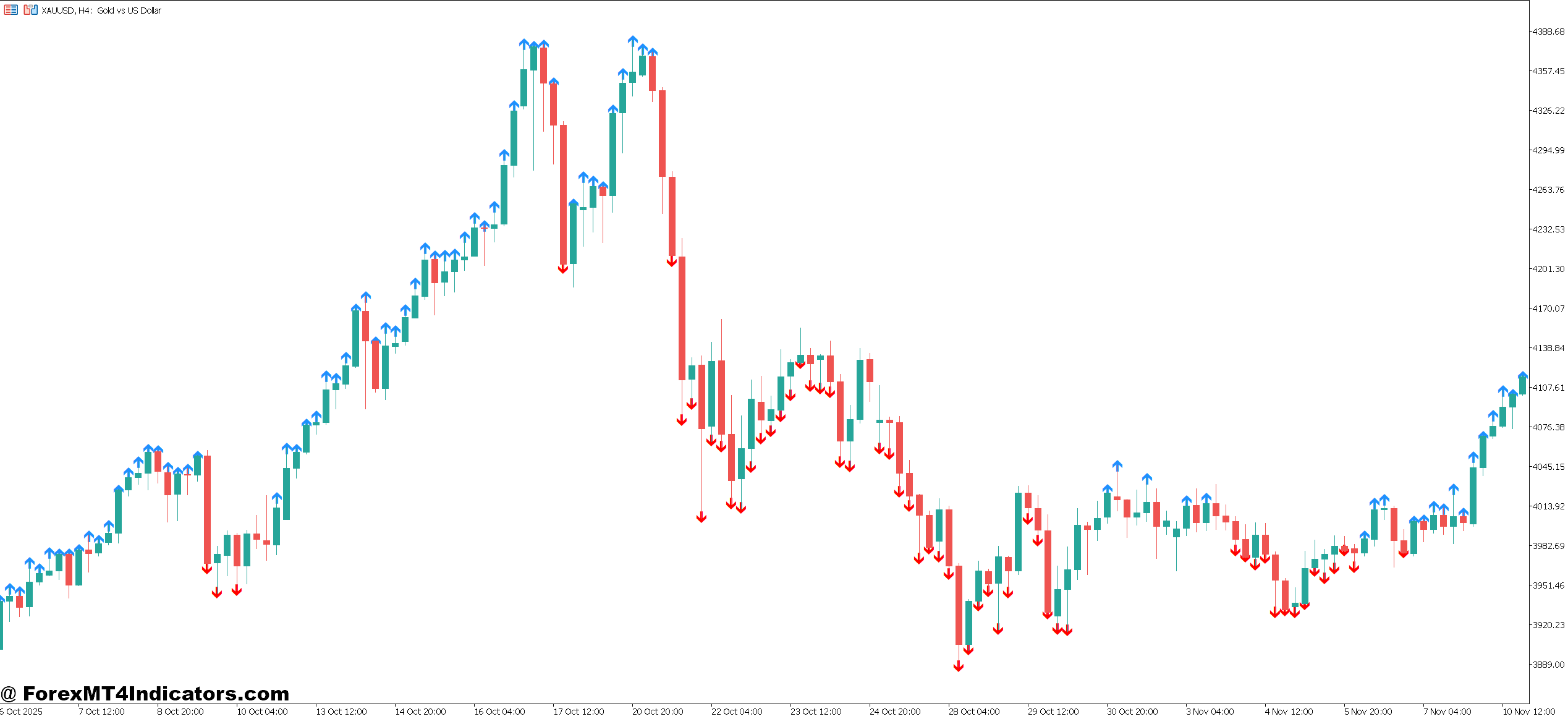
The logic is straightforward. First, the RSI is calculated using the standard Wilder smoothing method over the chosen period — usually 14. Each bar’s relative strength is computed by comparing average gains to average losses over that lookback window. The output is the familiar RSI oscillator line.
On top of that RSI line, a moving average is then applied — say, a 9-period EMA of the RSI values. This smoothed line reacts to RSI direction changes with a slight lag, which actually works in traders’ favor. Rather than reacting to every minor RSI wiggle, the MA-filtered signal tends to catch sustained momentum shifts.
The primary signal traders watch is the crossover between the RSI line and its moving average. When the RSI crosses above the MA, it suggests building bullish momentum. When it crosses below, bearish momentum may be taking hold. Paired with the standard overbought/oversold levels, this gives traders a two-layered confirmation system.
Here’s the thing — the MA period matters a lot. A shorter MA (like a 5-period) stays close to the RSI and produces more signals but also more false ones. A longer MA (like a 21-period) smooths more aggressively and generates fewer, higher-quality signals at the cost of some lag.
Practical Application: Real Trading Scenarios
On the GBP/USD 4-hour chart during a trending week in early Q1 2024, the RSI with a 9-period EMA applied gave three clean crossovers that matched swing highs and lows almost precisely. Each time the RSI crossed above its EMA while both were below the 60 level, price followed through for 50–80 pips before the next pullback. That’s the kind of setup this indicator handles well.
For day traders on the EUR/USD 15-minute chart, the indicator works best during the London–New York overlap. High liquidity during that window reduces fake-outs. When testing on volatile NFP days, the RSI can spike sharply and whipsaw through the MA repeatedly — that’s a sign to reduce position size or skip trading the event entirely.
A practical workflow many traders use: wait for the RSI to cross its MA, then confirm the signal is aligned with the broader trend on a higher timeframe. If the daily chart shows a clear uptrend, only take RSI/MA bullish crossovers on the 1-hour or 4-hour. That simple filter alone can reduce losing trades significantly.
Scalpers working the USD/JPY on 5-minute charts sometimes use a tighter 5-period EMA on the RSI to catch momentum bursts during Tokyo or London opens. It works, but requires fast execution and wider stops to absorb the chop that naturally comes with shorter timeframes.
RSI with Moving Average Indicator MT5 Settings and Customization
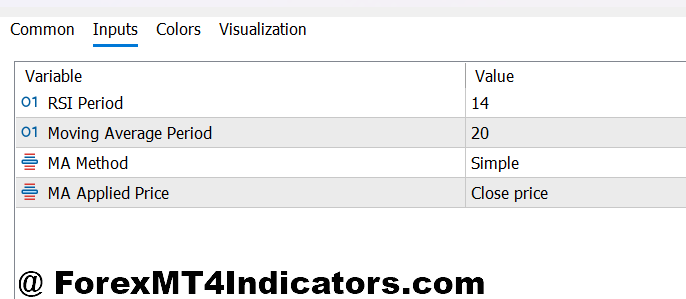
The MT5 version of this indicator typically exposes several key parameters: RSI Period, MA Period, MA Type (SMA, EMA, WMA, SMMA), Applied Price (close, open, high/low average), and overbought/oversold levels.
For swing trading on 4-hour or daily charts, a 14-period RSI paired with a 9-period EMA tends to perform well across major pairs like EUR/USD, USD/CHF, and AUD/USD. The EMA’s added sensitivity to recent price action keeps the signal line responsive without overreacting.
On intraday charts (1-hour and below), shortening the RSI to 9 or 10 periods makes it more reactive to current conditions. Pair that with a 5-period SMA on the RSI for a snappier signal that’s still somewhat filtered. That said, more signals also means more noise — back-test any settings changes before trading them live.
Some traders adjust the overbought/oversold thresholds from the default 70/30 to 60/40 during strong trending markets. This allows the RSI to stay in ‘trend mode’ without triggering premature reversal signals when price is just pulling back within an impulse leg.
Advantages, Limitations, and How It Compares
The biggest advantage of this indicator is its noise reduction. Standard RSI oscillates frequently and can give premature overbought/oversold signals in trending markets. Adding the MA layer smooths the decision-making process and introduces a visual signal crossover that’s easy to read and act on quickly.
It’s also highly adaptable. Unlike standalone RSI, the MA parameter lets traders tune the indicator to their specific style — aggressive or conservative, short-term or positional. The MT5 platform’s visualization makes it easy to see both lines clearly and compare them at a glance.
That said, no indicator works perfectly. The RSI with MA still lags price action — that’s inherent to any moving average. In choppy, range-bound markets (think EUR/USD during a quiet Asian session), the crossovers fire frequently and often lead to small losses that stack up. This is not a tool to run on autopilot.
Compared to the MACD — another popular crossover-based momentum tool — the RSI with MA keeps the value range bounded between 0 and 100. That makes it easier to spot overbought/oversold extremes alongside the crossover signals, which MACD doesn’t offer in the same way. The Stochastic Oscillator is a closer comparison, but the RSI with MA generally handles trending conditions better and responds more cleanly to large momentum moves.
Many experienced traders use this indicator alongside a simple price structure analysis — support/resistance zones, trendlines, and candlestick patterns. The indicator provides the momentum context; price structure confirms whether the move has room to continue.
How to Trade with RSI with Moving Average Indicator MT5
Buy Entry
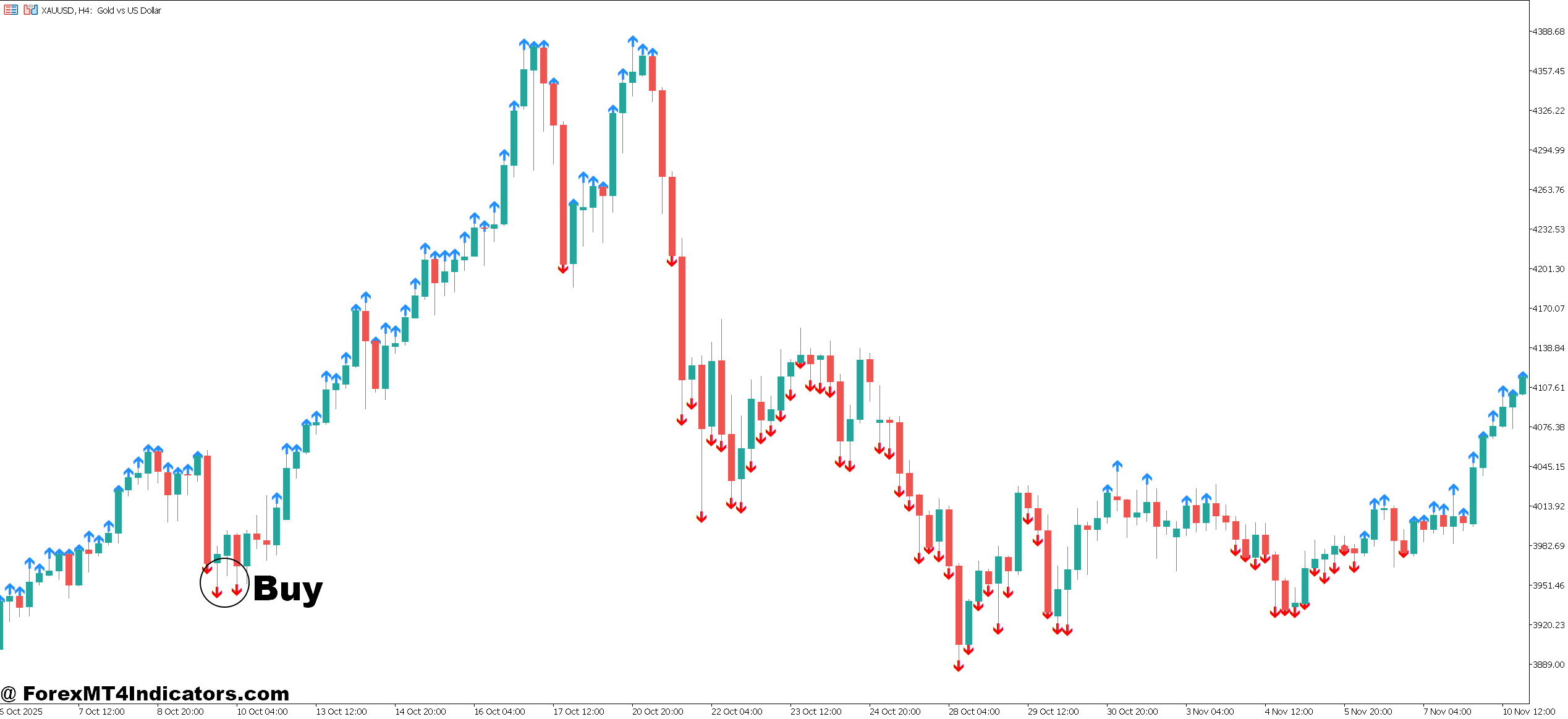
- RSI crosses above its MA– Enter long when the 14-period RSI crosses above the 9-period EMA on the RSI panel — this confirms bullish momentum is building.
- Both lines below 50– Best buy setups occur when the crossover happens below the 50 level, signaling early-stage momentum rather than a late entry in overbought territory.
- Higher-timeframe trend aligned– On EUR/USD, confirm the daily chart is in an uptrend before acting on 1-hour or 4-hour crossover signals — avoids counter-trend trades.
- RSI MA rising after crossover– Wait one candle after the cross; if the MA is pointing upward, momentum is accelerating. Skip the trade if the MA flattens immediately.
- Price above the 50 EMA on price chart– Use a 50-period EMA on the main chart as a trend filter — only take BUY signals when price is above it, especially on GBP/USD 4-hour setups.
- Set stop-loss below recent swing low– Place the stop 5–10 pips below the nearest support level or swing low, keeping risk under 1–2% of account balance per trade.
- Target a 1:2 risk-reward minimum– If the stop is 20 pips, aim for at least 40 pips profit — avoids trades where the R:R doesn’t justify the setup.
- Avoid BUY signals near RSI 70+– If the RSI is approaching overbought (above 65–70) at the time of the crossover, skip it — limited upside room increases reversal risk.
Sell Entry
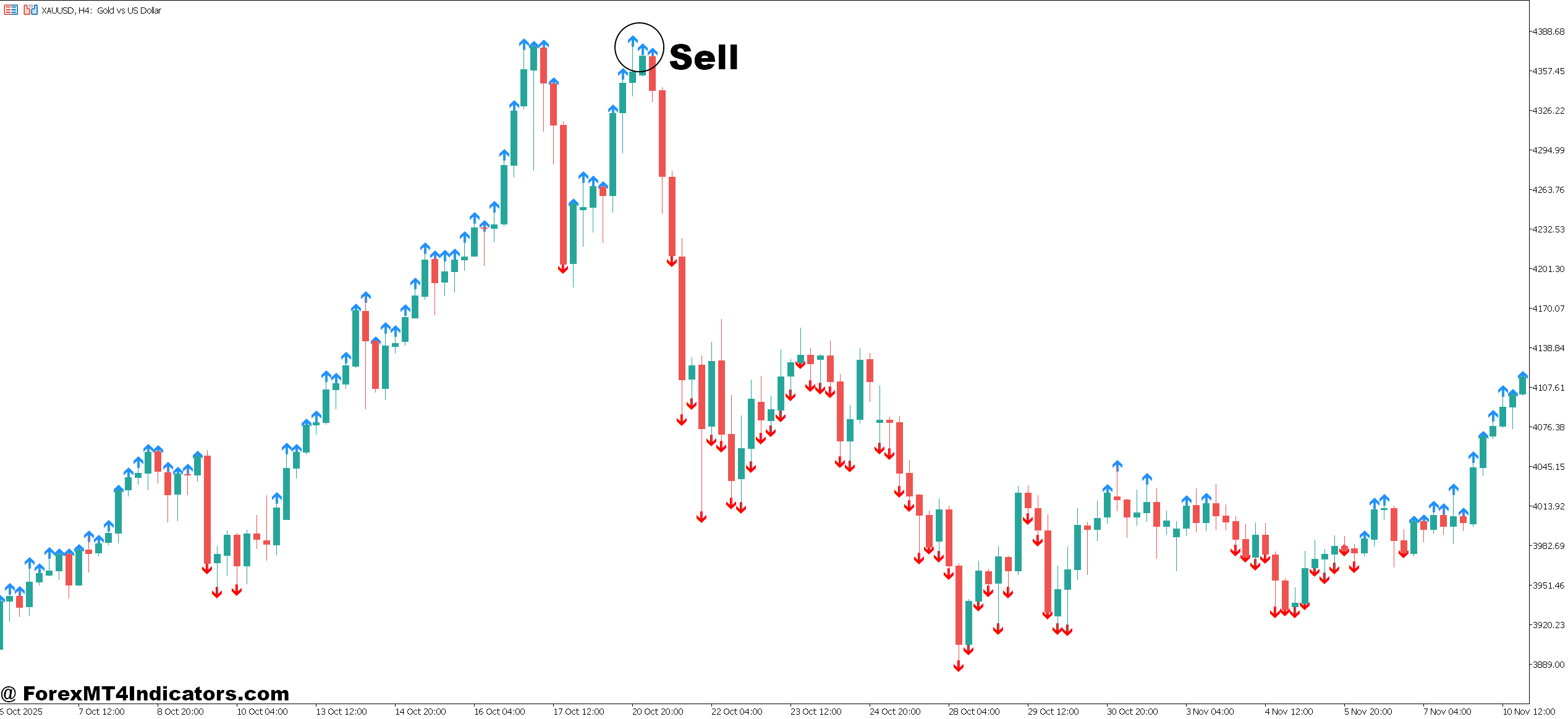
- RSI crosses below its MA– Enter short when the 14-period RSI drops below the 9-period EMA — signals bearish momentum is taking over, especially clean on the 1-hour and 4-hour charts.
- Both lines above 50– Strongest SELL setups occur when the bearish crossover happens above the 50 level, confirming a shift from bullish to bearish momentum mid-range.
- Daily trend pointing down– On GBP/USD, check the daily chart for lower highs and lower lows before shorting on the 4-hour — avoids fighting the bigger picture.
- MA turning downward after cross– Confirm the MA is angling down after the crossover. A flat or sideways MA suggests indecision — wait for a clearer candle before entering.
- Price below the 50 EMA on price chart– Only take SELL signals when price is trading below the 50-period EMA on the main chart — strong trend filter for EUR/USD intraday setups.
- Place stop above nearest resistance– Set the stop-loss 5–10 pips above the recent swing high or resistance zone, keeping position size within the 1–2% risk rule.
- Aim for 1:2 risk-reward or better– If stop is 25 pips, target at least 50 pips — don’t take setups where the nearest support cluster cuts the trade short before target.
- Avoid SELL signals near RSI 30 or below – If the RSI is already oversold (below 35) when the crossover fires, pass on the trade — downside momentum is likely exhausted.
Final Thoughts
The RSI with Moving Average indicator for MT5 gives traders a practical upgrade over the standard RSI. The MA overlay reduces false signals, adds a visual crossover mechanism, and helps traders stay aligned with momentum without chasing every RSI spike. On higher timeframes with trending pairs, it consistently demonstrates real value.
Key takeaways: the 14-period RSI combined with a 9-period EMA is a reliable starting point for most major pairs on 1-hour to daily charts. Signals perform best when filtered by a higher-timeframe trend direction. The indicator struggles in low-volatility, choppy conditions — knowing when not to trade it matters just as much as knowing when to enter.
The best use of any technical tool is as one piece of a broader trading process, not as a standalone system. Test the RSI with Moving Average indicator on a demo account first, dial in the settings for the specific pairs and timeframes traders use most, and then evaluate the results honestly before committing real capital. Trading forex carries substantial risk. No indicator guarantees profits, and past performance does not ensure future results.
Level up your trading Learn to read the chart — not just the indicator eBook · Instant PDF Video Course · 12 modules Trading forex and CFDs carries a significant risk of loss and is not suitable for everyone. Broker links are affiliate links — we may earn a commission at no cost to you.Recommended MT4/MT5 Brokers
Free MT4 Indicator Download

Enter Your Email Address below, download link will be sent to you.